

Indoor vegetable growing works for families because it fits into the space and schedule you already have. A sunny windowsill, a few small containers, and a packet of seeds is enough to start. Kids don't have to wait for spring or deal with weather, and you don't need a yard. The Easiest Vegetables To Grow Indoors From Seed For Kids And Families tend to be the ones that sprout fast and stay small, so little ones see something happen within a week or two.
Speed matters more than anything for keeping kids interested. A child who plants a seed and sees a green shoot soon after will keep checking on it. One who waits a month for nothing will move on. Some seed packets list germination at seven to fourteen days, like the 43 Assorted Vegetable and Herb Seed Packets with Mylar Storage Bag, which shows how quick a result can feel. Always read the back of your own packet for timing, since it varies by plant.
Indoor growing also gives kids real jobs they can handle on their own:
- Poking holes in the soil with a finger or a pencil
- Dropping in seeds and covering them lightly
- Watering with a small cup instead of a big can, so the soil gets damp and not soaked
- Turning the pots every few days so seedlings don't lean toward the glass
- Making a simple chart or taking a photo each week to track growth
It's easy to start small, too. A mixed pack gives you room to try a few things and see what your kids like. The Gardeners Basics 35 Heirloom Vegetable Seed Vault Kit, for example, comes with each variety in its own labeled paper packet, so kids can pick what they want to plant. Start with three or four types and save the rest for later. Open-pollinated heirloom seeds also let you save seed from your plants and try again, which turns one project into a family habit.

Gardeners Basics 35 Heirloom Vegetable Seed Vault Kit
A 35 variety vegetable seed collection with separate labeled packets, plant markers and a resealable storage bag.
Product information
Product Review Score
4.45 out of 5 stars
(148 reviews)Product links
One thing to plan for: seeds, soil, and water mean some mess, and small hands will spill. Put a tray or old baking sheet under the pots and lay down newspaper for sowing day. Keep seed packets and any plant food out of reach of toddlers who put things in their mouths, and wash hands after handling soil.
Best Fast Sprouting Seeds for Little Hands
Radishes, lettuce, and bush beans are the seeds that give kids the quickest wins. Radish seeds are big enough to pinch between two fingers, and they usually push up a green shoot within days. Leaf lettuce is just as forgiving. You scatter the tiny seeds on damp soil, press them in lightly, and cut baby leaves with kid scissors once they're a few inches tall.
Bean seeds are great for the youngest kids because they're large and easy to grab. Pick a bush type over a pole type, since bush plants stay compact and don't need a tall support. Peas work the same way, and sprouts show up fast. Sow big seeds about as deep as the packet says, and let your child push each one down with a fingertip. Herbs like basil and chives take a little longer to look like much, but basil leaves are fun to rub and sniff, so they keep curious kids interested.
Skip the slow or fussy stuff for a first try. Tomatoes and peppers can be grown indoors, but they take longer to get going and need more patience, so save them for round two. Tree and rose seeds are even slower, and fruit tree seeds in particular can take a long time and extra steps before anything sprouts. Wildflower mixes are pretty, but they aren't a vegetable project, so they won't scratch the same itch.
For buying, a big mixed pack makes sense because you get radish, lettuce, beans, and more in one go. The Survival Garden Seeds 30 Variety Heirloom Vegetable Seed Pack lists 30 varieties and more than 18,500 seeds, covering lettuce, beans, kale, herbs, and others. That's plenty to let kids plant, replant, and share seeds with friends. When you open any mixed pack, pull out the fast ones first and set aside the rest for later weeks. Sowing a few seeds every week or two also keeps the fun going, because something new is always popping up.

Survival Garden Seeds 30 Variety Heirloom Vegetable Seed Pack
A big mix of heirloom vegetable, herb and fruit seeds packed in a labeled, resealable waterproof vault bag.
Product information
Product Review Score
4.48 out of 5 stars
(222 reviews)Product links
Simple Setup: Containers, Soil, and Light
A good indoor setup needs three things: a container that drains, a light soil mix, and a bright spot. Most kid-friendly vegetables will grow in plain household containers. Yogurt cups, egg cartons, and small plastic pots all work if you poke a few drainage holes in the bottom. Use a tool like a nail or scissors point, and have an adult do the poking. Set every container on a tray or old baking sheet so extra water has somewhere to go. Pots with no holes stay soggy, and soggy soil is one of the quickest ways to lose seedlings.
Size matters a little. Radishes and lettuce do fine in a shallow container a few inches deep, while bush beans and peas like a deeper pot. A long window box or a rectangular tub lets kids sow a whole row and see it fill in.
For soil, skip dirt from the yard. It packs down in pots and can bring in bugs and weeds. Use a bagged indoor potting mix instead. The Miracle-Gro Indoor Potting Mix for All Plants, 6 qt. 2-Pack is a blend of sphagnum peat moss, coconut coir, and perlite, and it's made without compost or bark, which are the materials fungus gnats like to lay eggs in. Two bags means you can fill a bunch of cups on sowing day and still have some left. Fill each container to about a half inch below the rim, then dampen the mix before the seeds go in. Squeeze a handful. It should feel like a wrung-out sponge, not drip water.
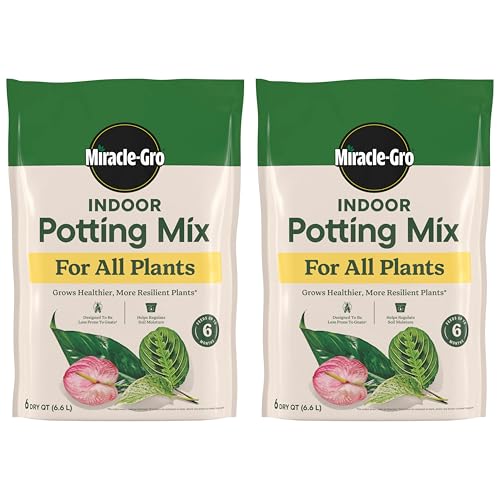
Miracle-Gro Indoor Potting Mix for All Plants, 6 qt. 2-Pack
A ready-to-use indoor potting soil blend with feed built in, sold as two 6 quart bags for your houseplants.
Product information
Product Review Score
4.35 out of 5 stars
(89 reviews)Product links
Light is where indoor growing gets picky. Most vegetables want a bright window, and a south-facing one usually gives the most light in the Northern Hemisphere. Facing direction flips in the Southern Hemisphere, so go by whichever window gets the longest stretch of direct sun in your home. If seedlings grow tall, thin, and pale and flop toward the glass, they want more light. A plain clip-on or shop-style grow light set a few inches above the plants can fill the gap, and you can raise it as they grow. Follow the maker's instructions for height and run time. Keep cords and plugs away from the watering area, and never let a wet tray sit near an outlet.
Last, a quick sowing routine kids can follow. Fill the cup, wet the mix, poke a hole with a fingertip or pencil, drop in the seeds, and cover them lightly. Then label each pot with a craft stick and a marker, so nobody forgets which cup holds the radishes. If you want a tool for transplanting later, a small hand trowel with a depth gauge, like the Garden Weasel Multi-Use Transplanter Trowel, can help an adult move bigger seedlings into larger pots. Its blade has serrated edges, so keep it out of little hands.
What to Do When Seedlings Struggle
Most seedling trouble comes down to a handful of causes, and you can usually spot which one by looking at the plant. Tall, thin, pale seedlings leaning hard toward the window are stretching for light. Move them to a brighter spot, or lower a grow light closer, and rotate the pots. Stretched stems won't get thicker, but new growth can come in sturdier once the light improves.
Seedlings that flop over at the soil line, with a thin, pinched, or dark stem, have usually been sitting in too-wet soil. This is often called damping off. Once a seedling collapses like that, it won't bounce back, so pull it out to keep it from spreading trouble to its neighbors. Then let the top of the soil dry slightly before the next watering, make sure the drainage holes aren't blocked, and tip out any water left in the tray. Sowing fewer seeds per cup also helps, since crowded seedlings keep the air damp around the stems.
If nothing came up at all, go through a short checklist before you give up:
- Some seeds take longer than the fast ones, so give them the full germination window.
- Dig gently with a fingertip to see if the seed swelled or split. If it did, it's working, just slowly.
- Think about how deep you planted. Tiny seeds buried too far down may never reach the surface.
- Feel the soil. If it dried out completely between waterings, the seeds may have stalled.
- Think about the room. Cold windowsills slow seeds down, so a warmer spot away from a drafty glass pane can help.
Tiny black flies hovering over the pots are most likely fungus gnats, which like soggy mix. Starting with a bagged mix made without compost or bark, like the one above, gives them fewer places to lay eggs. Yellowing leaves, on the other hand, can point to too much water or too little light, so look at the soil and the window before you change anything else.
Last, thin out crowded seedlings once they have their first true leaves. It feels mean, but it gives the best plants room. Snip the weaker ones at soil level with scissors instead of pulling, so you don't tug the roots of the keepers. Let kids help, and let them know that a few lost seedlings are normal.


