

Shade gardening is less about finding a magic spot and more about understanding how much light your yard actually gets. Most vegetables want six or more hours of direct sun a day, so a shady spot means you'll be working with less. That doesn't mean nothing will grow. It means you need to pick the right plants and set your expectations.
Start by watching your yard for a full day or two. Check it every couple of hours and note where the sun hits and for how long. A spot that gets bright morning sun and then shade after noon is very different from one that only sees a little light in the afternoon. Morning sun is usually gentler and helps leaves dry off faster, which can mean fewer problems with mildew. Afternoon shade from a fence or building can be a nice break in hot weather.
Shade also changes how fast things grow. Plants in lower light usually grow more slowly, put out fewer flowers, and take longer to produce. Leafy greens and herbs tend to do well because you eat the leaves, not the fruit. Fruiting crops like tomatoes and peppers often disappoint in heavy shade, so expect smaller harvests and plan for a longer wait.
Soil and moisture matter more in shade too. Spots under trees or next to walls can stay damp longer, and tree roots can steal water and nutrients. Dig a test hole and see how quickly the soil drains after a rain. If it stays soggy, raised beds or containers with drainage holes can give you more control. Good compost mixed into the soil helps hold nutrients for plants that are growing slowly.
Finally, be realistic about the trade-offs. You may not get the biggest tomatoes on the block, but you can still grow a steady supply of lettuce, chard, spinach, kale, and mint. Keep notes on what grows well in your yard each season. Your shade is unique, and those notes will be more useful than any general rule.
Picking Vegetables That Handle Low Light
Not every vegetable is willing to put up with less sun, so picking the right ones saves a lot of frustration. The good news is that a handful of crops are happy with part shade. Leafy greens are the easy win. Lettuce, arugula, spinach, and Swiss chard all keep producing when the light is soft, and you can start picking leaves while the plants are still small.
Root crops are a bit trickier. Beets and radishes can grow in partial shade, but the roots often end up smaller. Radishes tend to be the more forgiving choice because they mature quickly, so you're not waiting around all summer. Carrots can work too, though they usually need a bit more light than radishes to form good roots. Check the seed packet for the days to harvest and compare that with how many weeks of growing season you actually have.
Some herbs are also shade-friendly. Mint, parsley, chervil, and cilantro handle lower light well. Mint is famous for spreading, so give it a pot or a container sunk into the ground, or it will take over the bed. Cilantro has a habit of bolting, which means it sends up flowers and goes bitter, and it tends to do that faster in heat. Cooler, shadier spots can slow that down a little, which is one reason cilantro often does better in shade.
When you're shopping, look for these clues on seed packets and plant tags:
- Words like "tolerates partial shade" or "part shade" on the label
- Days to maturity that fit your season, with shorter times usually easier in low light
- Leafy harvests rather than fruit, since leaves are what you're after
If you want a seed set to start with, the Vegetable & Fruit Seeds, 32 Packs, Non-GMO, 15,000+ Seeds listing gives you a wide variety to test in your spot. For a more compact start, the Herb Seeds 12 Pack Non-GMO Garden Variety Set covers the herbs mentioned above. Keep in mind that seed packets vary by brand and region, so check the maker's directions for your climate and planting dates.
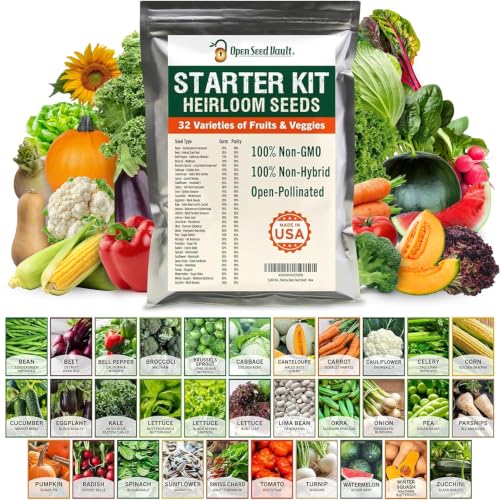
Vegetable & Fruit Seeds, 32 Packs, Non-GMO, 15,000+ Seeds
A wide mix of 32 heirloom vegetable and fruit seed varieties, each in its own resealable packet for easy planting.
Product information
Product Review Score
4.31 out of 5 stars
(110 reviews)Product links
Setting Up Your Shady Spot Step by Step
Setting up a shady bed is mostly about getting the ground ready and laying out your plants so they don't fight over the little light you have.
- Clear the spot first. Pull out weeds, grass, and fallen leaves. Weeds take light and water that your vegetables need, and in shade every bit counts.
- Loosen the top layer of soil with a garden fork or spade so roots can spread out. Break up clumps and pull out any roots or rocks you find.
- Mark out your bed with a garden hose or a length of string before you dig. Put taller plants on the side that faces the sun's path. In the Northern Hemisphere, that's usually the north side, so they don't cast shade over shorter crops.
- Plant at the depth and spacing listed on each seed packet or plant tag. Crowding is a common mistake in shade, because plants stretch toward light and get leggy when they're packed too close.
A basic set of hand tools makes the job much easier. A small trowel for seeds, a hand fork for loosening soil, and a pair of gloves will cover most of the setup. The Berry&Bird 3pcs Garden Tool Set with Wooden Handles covers those three basics. Keep the tools in one spot so you're not hunting for them later, and wipe down any metal parts after each use so they stay in good shape.

Berry&Bird 3pcs Garden Tool Set with Wooden Handles
A three-piece set of hand tools with wooden handles for weeding, digging, and transplanting around the garden.
Product information
Product Review Score
4.39 out of 5 stars
(203 reviews)Product links
Pruning shears and other blades are the main hazard in this part of the job. Keep the blades closed when you're walking around, cut away from your hands and body, and store them out of reach of kids. If you're kneeling to plant, take your time getting up and down, since shade beds often sit in damp, uneven ground.
Your hose needs a bit of planning too. Lay it out so it runs along the edge of the bed instead of across walkways, because a loose hose is an easy trip hazard, especially around dusk. The Water Right Polyurethane Garden Hose 25 Ft Olive is one option if you need a length that reaches your spot. Once you've planted, water the soil at the base of the plants rather than soaking the leaves, and label each row with the plant name and the date you sowed it so you can track what comes up and when.
Caring for Your Shade Garden All Season
Shade gardens need a little more attention than sunny ones, and the good news is that most of the work is simple. The big thing is watching how moisture behaves over the weeks. Shady soil often dries out more slowly than sunny soil, so push a finger about an inch down before you water. If it still feels damp, wait another day. Overwatering in shade is a more common problem than underwatering, and soggy roots can rot fast.
Keep an eye on the leaves, too. Plants stretching toward the light, with long pale stems and big gaps between leaves, are telling you they want more sun. You can't change the sky, but you can thin out crowded plants so the ones left get more room. Pulling a few lettuce or spinach plants to make space for the rest is a normal part of the routine, and you can eat the thinnings. Pick leaves often, too. Regular harvesting keeps greens tender and encourages more growth.
Weeds and fallen leaves love shady corners, and they can hide slugs and snails that go after young seedlings. Walk the bed every few days and pull anything that doesn't belong. Dead leaves that drop onto the soil should go into the compost pile or be raked off so air can move around the plants. Mulch can help hold moisture, but keep it a few inches away from stems so it doesn't stay wet against them.
Feeding matters more in shade because slow-growing plants use nutrients over a longer stretch. Follow the instructions on whatever fertilizer you pick, since rates depend on the product and your soil. Dr. Earth Organic 5 Tomato, Vegetable & Fruit Fertilizer is one option for a general vegetable bed, and the label gives the directions you should follow. Too much fertilizer can burn roots and cause weak growth, so a light hand usually works better than a heavy one.
As the season winds down, note what worked and what didn't. Write down which plants bolted, which stayed leafy, and which spots stayed wet after rain. Those notes become your planting map for next year, and they'll tell you more about your particular shade than any general guide can.


