Last Updated: June 29, 2026
This comprehensive guide explains everything you need to know about terrariums, from understanding what they are to building your own unique enclosed ecosystem. Whether you’re a beginner gardener looking for a low-maintenance indoor project, a parent seeking an educational activity for children, or a hobbyist wanting to create a stunning decorative piece, this post covers container options, themed designs, Wardian cases, and essential care tips to help you succeed.
There’s no need to go and buy a ready-made product. Building a terrarium is fun and easy, the design limited only by your imagination.
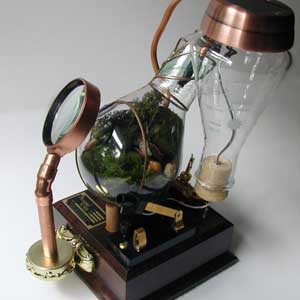
You can even use a lightbulb, and be as creative as “Steamed Glass” in this incredible piece of art:
How to Use a Fish Tank as a Terrarium Container
Or how about using a fish tank you have lying around the house by building one using an aquarium? Many interesting supplies such as decorations, containers and pebbles can be purchased at pet shops.
Another great idea if you’re short on space is to hang one from your ceiling and bring a little bit of nature into your home.
According to the Royal Horticultural Society, closed terrariums can maintain their own water cycle for months without intervention, making them one of the most sustainable forms of indoor gardening available.
Terrarium Kits for Beginners and Children
Exo Terra produce ready-made kits for kids as well as various accessories. There are a number of animals you can have:
-
- Frogs
-
- Bearded dragons
-
- Geckos
It’s a good way for children to learn about small reptiles and their relationship to nature. They’ll also learn about the cycle of water in a practical way.
How to Give Your Terrarium a Creative Theme
Yours does not need to contain animals. It can be a focused plant vivarium where plants bring all the life. You can still decorate it according to a theme such as desert or medieval to make it into a wonderful display that will be a great conversation topic.
Desert themed cases are enclosed cactus or succulent gardens. Having them enclosed in glass gives your more flexibility in terms of sand and accessories and reduces the care further from ordinary potted cacti.
Wardian Cases: The Victorian Origins of Modern Terrariums
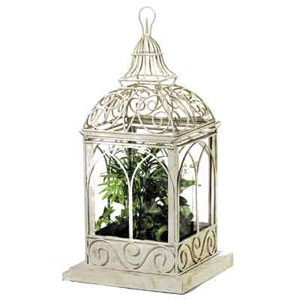
Wardian cases are older versions of the same “ecosystem in a box” idea and are lovely pieces of furniture to have in your house. They were originally used in Victorian times to protect ferns from London’s air pollution and later to transport plants long distances.
Essential Tips for Keeping Your Terrarium Healthy
One of the really great things about these little worlds is that they need very little care, because they are close to being a closed ecosystem. Minimal water (sometimes you won’t need to water for up to 4 months!) and a bit of trimming and little to no fertilizer will keep most happy!
Article source: http://www.beginner-indoor-gardening.com/terrarium.html
Frequently Asked Questions About Terrariums
What is the difference between a terrarium and a Wardian case?
A Wardian case is essentially a type of terrarium that originated in Victorian England, typically featuring an elegant glass and metal frame design resembling a miniature greenhouse. While all Wardian cases are terrariums, modern terrariums come in many forms including repurposed fish tanks, hanging glass globes, and even lightbulbs, offering more variety in style and size.
How often do you need to water a closed terrarium?
Closed terrariums are remarkably self-sufficient and may not need watering for up to four months or even longer. The enclosed environment creates its own water cycle where moisture evaporates from the soil and plants, condenses on the glass, and drips back down. You should only add water when the soil appears completely dry or condensation stops forming on the glass.
What animals can live in a terrarium?
Several small reptiles and amphibians thrive in terrariums, including frogs, geckos, and bearded dragons. These animals require specific habitat conditions, so it’s important to research their needs for temperature, humidity, and space before creating their enclosed environment. Terrarium kits from brands like Exo Terra are designed specifically to accommodate these creatures.
Can you make a terrarium without buying expensive supplies?
Absolutely—building a terrarium can be very affordable using items you already have at home. Old fish tanks, large glass jars, and even lightbulbs can serve as containers, while pebbles, soil, and plants can often be sourced from your garden. Pet shops also offer affordable decorations and supplies if you want to enhance your design.
What is the best theme for a beginner terrarium?
Desert-themed terrariums featuring cacti and succulents are excellent for beginners because they require minimal watering and maintenance. Alternatively, a simple woodland theme with mosses and ferns works well in closed containers and creates a lush, green display. Both options are forgiving of minor care mistakes while you learn the basics.
Why are terrariums good for children?
Terrariums provide an excellent hands-on educational experience for children, teaching them about ecosystems, the water cycle, and plant biology. When animals are included, children also learn responsibility and gain understanding of how reptiles and amphibians interact with their environment. The visual nature of terrariums makes these scientific concepts tangible and engaging for young learners.
Do terrariums need direct sunlight to survive?
Most terrariums actually perform best in bright, indirect light rather than direct sunlight. Direct sun can cause the enclosed glass container to overheat rapidly, essentially cooking the plants inside. Position your terrarium near a window where it receives ambient light, or use artificial grow lights for consistent illumination without the risk of overheating.
📅 Last updated: