Last Updated: June 25, 2026
This comprehensive guide is designed for beginner gardeners, budget-conscious families, and anyone who wants to grow their own fresh vegetables without making a significant financial investment. Whether you have a spacious backyard, a small balcony, or just a sunny windowsill, you’ll discover practical, proven methods to start and maintain a productive vegetable garden using free and low-cost resources you likely already have access to.
Starting a garden is one of the most rewarding ways to connect with nature, grow your own food, and create a peaceful outdoor space. However, many people hesitate to dive into gardening because they assume it requires a significant financial investment. The truth is, you can build a thriving garden with minimal expense if you’re resourceful and creative. Here’s a comprehensive guide to starting a garden on a tight budget.
1. Plan Your Garden Layout and Crops Before You Plant
Before you put a single seed into the soil, take some time to plan your garden. Consider the following:
- What do you want to grow? Decide if you’re more interested in vegetables, herbs, flowers, or a mix of all three.
- Where will your garden be? Assess your space. Do you have a backyard, a balcony, or just a sunny windowsill? Each type of space has unique opportunities.
- What’s your climate? Research the plants that thrive in your local region and season. Native plants and seasonal vegetables often require less maintenance and fewer resources.
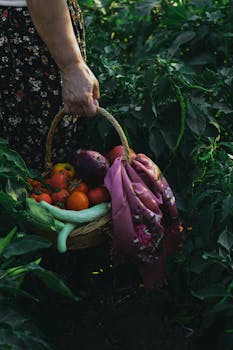
Planning helps you avoid unnecessary purchases and ensures your efforts are focused on what’s practical and achievable.
According to the National Gardening Association, a well-maintained vegetable garden can yield an average return of $600 worth of produce from a $70 investment, making proper planning one of the highest-return activities for budget-conscious gardeners.
2. Start Small to Keep Costs Manageable
If you’re new to gardening, resist the temptation to create a sprawling garden right away. Start with a small area or a few containers. This approach keeps costs manageable and allows you to learn as you go. Even a few pots with herbs or leafy greens can make a big difference in your meals and your connection to gardening.
3. Use Free or Low-Cost Containers From Around Your Home
Buying fancy pots can quickly eat into your budget, but there’s no need to spend money on containers. Look around your home for items that can be repurposed:
- Old buckets, jars, or bowls
- Coffee cans or yogurt tubs (make drainage holes in the bottom)
- Wooden crates or pallets lined with plastic
Check local social media groups, thrift stores, or your neighborhood for free or cheap containers. Many people are happy to give away unused items.
4. Make Your Own Nutrient-Rich Soil Mix and Compost
Purchasing bagged soil and fertilizers can add up. Instead, consider making your own nutrient-rich soil:
- Compost: Start a compost bin with kitchen scraps like fruit peels, vegetable trimmings, eggshells, and coffee grounds. Over time, this will break down into rich compost to mix with soil.
- Garden Soil: If you have access to natural soil, enrich it with compost or well-rotted manure to improve fertility.
- Leaf Mold: Collect fallen leaves and let them decompose over several months to create a natural soil amendment.
Homemade soil can save you money and provide a healthier growing environment for your plants.
5. Source Free or Cheap Seeds Through Swaps and Community Programs
Seeds are the foundation of your garden, and they don’t have to cost much—or anything at all:
- Seed Swaps: Look for local gardening groups or community events where you can trade seeds with others.
- Save Seeds: If you buy fruits and vegetables, save seeds from items like tomatoes, peppers, or melons.
- Community Resources: Libraries, community centers, or non-profits sometimes offer free seeds.
Avoid buying more seeds than you need. A small packet often contains enough to last multiple seasons.
6. Repurpose and Recycle Household Materials for Garden Use
Instead of buying garden supplies, get creative with what you already have. Some ideas include:
- Using old utensils as garden markers
- Cutting plastic bottles into mini greenhouses to protect young plants
- Repurposing cardboard boxes or newspapers as mulch to suppress weeds
Recycling and repurposing not only saves money but also reduces waste.
7. Create DIY Gardening Tools From Everyday Items
You don’t need expensive tools to maintain your garden. Basic items like a trowel, pruners, and a watering can are essential, but you can improvise:
- A large spoon can work as a trowel.
- Chopsticks or skewers can support small plants.
- A plastic milk jug can be turned into a watering can by poking holes in the lid.
As you grow your gardening skills, you can gradually invest in higher-quality tools.
8. Take Advantage of Free Community Gardening Resources
Many communities offer resources that can help you start a garden without breaking the bank:
- Compost Programs: Some municipalities provide free compost to residents.
- Mulch and Wood Chips: Tree-trimming companies or local government programs may give away wood chips for free.
- Workshops and Classes: Check for free gardening workshops at libraries, community centers, or botanical gardens.
These resources can significantly cut costs while providing valuable knowledge.
9. Choose Low-Maintenance, Easy-to-Grow Plants for Beginners
To keep costs down, opt for plants that are easy to grow and maintain. Hardy, drought-tolerant plants require less water and care, saving you both time and money. Some low-maintenance options include:
- Herbs like basil, mint, and chives
- Vegetables like radishes, lettuce, and zucchini
- Flowers like marigolds, zinnias, and sunflowers
Starting with reliable growers will build your confidence and provide quick results.
10. Practice Patience and Persistence for Long-Term Success
Gardening is a long-term investment, both financially and emotionally. Plants take time to grow, and you may face challenges like pests, weather changes, or plant diseases. Stay patient, experiment, and learn from your experiences. Over time, your skills will improve, and your garden will flourish.
11. Build a Gardening Community for Shared Resources and Knowledge
Connect with other gardeners in your area for advice, encouragement, and resource sharing. Joining a gardening club or participating in community gardens can provide you with free or low-cost seeds, plants, and tools, as well as tips from experienced gardeners. Sharing knowledge and resources creates a supportive environment for your gardening journey.
Conclusion: Start Your Budget-Friendly Garden Today
Starting a garden with little money is entirely possible with a bit of creativity, resourcefulness, and patience. By planning wisely, reusing materials, and taking advantage of free resources, you can create a beautiful and productive garden without breaking the bank. Beyond saving money, gardening brings immense joy, a deeper connection to nature, and the satisfaction of growing your own food. So, grab a container, collect some seeds, and start your gardening adventure today!
What is the cheapest way to start a vegetable garden from scratch?
The cheapest way to start a vegetable garden is to use free containers from around your home (like buckets, yogurt tubs, or wooden crates), make your own compost from kitchen scraps, and source free seeds through local seed swaps or library seed programs. Starting small with just a few containers of easy-to-grow vegetables like lettuce and radishes allows you to learn without any significant financial investment.
How can I get free seeds for my vegetable garden?
You can obtain free seeds through several methods: participating in local seed swaps organized by gardening clubs, saving seeds from store-bought vegetables like tomatoes and peppers, or visiting your local library’s seed lending program. Many community centers and non-profit organizations also distribute free seeds during spring planting season, so check local event listings and social media groups for opportunities in your area.
What vegetables are easiest to grow on a budget?
The easiest and most cost-effective vegetables for budget gardeners include lettuce, radishes, zucchini, green beans, and tomatoes, as these produce abundant harvests from inexpensive seeds and require minimal maintenance. Herbs like basil, mint, and chives are also excellent choices because they grow quickly, can be harvested repeatedly throughout the season, and often regrow from kitchen scraps.
Can I use kitchen scraps to make free compost for my garden?
Yes, you can create nutrient-rich compost entirely from kitchen scraps including fruit peels, vegetable trimmings, eggshells, coffee grounds, and tea bags. Simply collect these materials in a compost bin or pile, turn them occasionally, and within a few months you’ll have free, organic fertilizer that enriches your garden soil. This homemade compost eliminates the need to purchase bagged soil amendments and fertilizers.
What household items can be repurposed as free plant containers?
Many common household items make excellent free plant containers, including five-gallon buckets, large coffee cans, plastic storage bins, old colanders, and wooden crates lined with landscape fabric. You can also use yogurt containers, milk jugs with the tops cut off, and even old boots or dresser drawers for creative planters. Just remember to drill or poke drainage holes in the bottom of any container that doesn’t already have them.
How do I find free mulch and compost in my community?
Many municipalities offer free compost to residents through public works departments or recycling centers, so check your local government’s website for pickup locations and schedules. Tree-trimming companies and arborists often give away wood chips for free through services like ChipDrop, and some landscaping companies will deliver mulch at no cost to avoid disposal fees. Local coffee shops may also provide used coffee grounds, which make excellent garden mulch and soil amendment.
Is it really possible to grow a productive garden with no money?
Absolutely—many successful gardeners have started productive vegetable gardens with zero initial investment by combining free seeds from swaps, repurposed containers from their homes, homemade compost from kitchen scraps, and free mulch from community programs. While having a small budget can speed up the process, patience and resourcefulness can compensate entirely for a lack of funds. The key is starting small, learning as you grow, and gradually expanding your garden using the free resources available in your community.
📅 Last updated: