Last Updated: June 4, 2026
This complete guide to indoor plants for beginners is designed for first-time plant parents, apartment dwellers, and anyone looking to bring the calming beauty of nature into their home without the stress of complicated care routines. Whether you want to purify your air, grow fresh herbs in your kitchen, or simply add a touch of greenery to your living space, you’ll find practical advice, plant recommendations, and expert tips to help you succeed.
Indoor gardening is more than a trend—it’s a lifestyle that brings greenery, serenity, and even cleaner air into your home. Whether you’re an absolute novice or someone looking to dip their toes into the gardening world, there’s something magical about nurturing plants that thrive indoors. This guide will take you through beginner-friendly plants, the joy of growing herbs, creative container gardening ideas, and tips for making the most of limited apartment spaces. By the end, you’ll have all the tools you need to create your own lush green oasis.
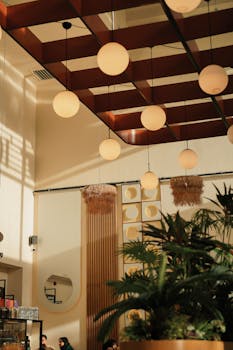
Beginner-Friendly Indoor Plants That Thrive with Minimal Care and Effort
Starting with the right plants is the secret to successful indoor gardening. For beginners, it’s essential to choose resilient species that require minimal care while still offering maximum aesthetic and air-purifying benefits.
Snake Plant (Sansevieria): The Nearly Indestructible Houseplant
Known as the “mother-in-law’s tongue,” the snake plant is virtually indestructible. It thrives in low light, needs infrequent watering, and purifies the air by removing toxins like formaldehyde.
Pothos (Epipremnum aureum): The Versatile Trailing Vine
Pothos is a forgiving plant that grows in a variety of conditions. Its trailing vines make it perfect for hanging baskets or shelves, instantly adding charm to your indoor space.
Spider Plant (Chlorophytum comosum): A Classic Adaptable Favorite
The spider plant is another beginner favorite. Its long, arching leaves and ability to adapt to different lighting conditions make it a versatile addition to any home.
Peace Lily (Spathiphyllum): Elegant Blooms for Low-Light Spaces
For those who want a touch of elegance, the peace lily’s glossy leaves and stunning white blooms are perfect. While it thrives in bright, indirect light, it’s also tolerant of lower light levels.
ZZ Plant (Zamioculcas zamiifolia): The Ultimate Low-Maintenance Choice
The ZZ plant is almost unkillable. Its waxy, deep-green leaves require minimal water and thrive in a range of lighting conditions, making it ideal for beginners.
These plants are low-maintenance yet rewarding, perfect for anyone starting their indoor gardening journey.
According to a NASA Clean Air Study, common houseplants like snake plants, pothos, and peace lilies can remove up to 87% of air toxins within 24 hours, making them not only beautiful additions to your home but also scientifically proven air purifiers.
How to Grow Herbs Indoors: Fresh Kitchen Greens Made Simple
Imagine snipping fresh basil or mint right from your kitchen window. Growing herbs indoors is not only rewarding but also a practical way to enhance your culinary adventures.
Choose Your Herbs Wisely for Indoor Success
Begin with easy-to-grow herbs like basil, mint, parsley, chives, and thyme. These herbs are hardy and thrive in indoor environments with the right care.
Light Requirements and Optimal Placement for Indoor Herbs
Herbs need at least 6–8 hours of sunlight daily. Position them near a south-facing window or invest in grow lights to mimic sunlight if natural light is limited.
Selecting the Best Soil and Containers for Herb Gardens
Opt for well-draining potting soil and containers with drainage holes to prevent root rot. Self-watering pots can also be a lifesaver for forgetful gardeners.
Watering Tips to Keep Your Herbs Healthy
Herbs prefer slightly moist soil, but overwatering is a common mistake. Wait until the top inch of soil feels dry before watering again.
Pruning Techniques for Bushier, More Productive Growth
Regularly pinch off leaves to encourage bushier growth. Use these trimmings in your cooking, and enjoy the freshest flavors possible.
Growing herbs indoors adds greenery and functionality to your space, offering fresh ingredients and a sense of accomplishment.
Creating a Stylish Green Oasis with Indoor Container Gardening
Container gardening opens up endless possibilities for personalizing your indoor garden. With the right containers, you can blend style with practicality.
Choosing the Right Containers for Your Plants and Décor
From terracotta pots to ceramic planters, containers come in a variety of shapes and sizes. Choose ones that complement your home décor while ensuring they have adequate drainage.
Layering Your Containers for Proper Drainage and Success
Start with a layer of pebbles or activated charcoal at the bottom of your container for drainage. Add high-quality potting soil, and finish with a top layer of moss or pebbles for aesthetic appeal.
Vertical Gardening Options for Maximum Space Efficiency
Maximize your space with vertical planters or wall-mounted pots. These options are perfect for smaller homes and add a striking visual element to your indoor oasis.
Combining Plants with Similar Care Requirements
Create stunning displays by combining plants with similar care requirements in one container. For example, pair succulents of different shapes and colors for a low-maintenance arrangement.
Decorative Touches to Personalize Your Indoor Garden
Incorporate decorative elements like fairy lights, miniature figurines, or colorful stones to give your container garden a unique personality.
Container gardening indoors is not just about functionality—it’s a form of art that enhances your living space.
Indoor Gardening for Apartments: Smart Plant Choices for Limited Spaces
Living in an apartment doesn’t mean you can’t enjoy the benefits of indoor gardening. With some creativity, you can turn even the tiniest spaces into a thriving garden.
Compact Plants Perfect for Small Apartment Living
Choose small plants like air plants, ferns, or succulents that fit well in compact spaces. Hanging plants and wall-mounted options are ideal for utilizing vertical space.
Multi-Purpose Furniture That Doubles as Plant Displays
Invest in furniture that doubles as a planter, such as tables with built-in plant holders or shelving units designed for greenery.
Balcony and Windowsill Gardens for Urban Dwellers
If your apartment has a balcony, transform it into a mini-garden. For indoors, windowsills are perfect spots for herbs or small flowering plants.
DIY Terrariums: Self-Contained Ecosystems for Any Space
Terrariums are a trendy way to create self-contained ecosystems. Use glass jars or containers to house moss, small ferns, and decorative stones.
Smart Technology for Effortless Plant Care
Consider using smart plant monitors or self-watering pots to ensure your plants thrive even when you’re busy or away.
With these ideas, your apartment can become a lush haven, no matter how limited the space.
Essential Tools and Expert Tricks to Care for the Best Indoor Plants for Beginners
Proper care is the backbone of any successful indoor garden. Equip yourself with the right tools and knowledge to ensure your plants thrive.
Must-Have Tools for Every Indoor Gardener
Start with basic tools like a watering can, pruning scissors, and a small spade. A moisture meter can help monitor soil hydration levels.
Fertilizers and Nutrients to Keep Plants Thriving
Use organic fertilizers or plant food tailored to your plant’s needs. Indoor plants often require occasional feeding to maintain their health.
Pests and Prevention: Keeping Your Plants Healthy
Inspect your plants regularly for pests like spider mites or aphids. Neem oil sprays are a natural and effective way to combat infestations.
Watering Strategies to Avoid Overwatering and Root Rot
Overwatering is a common mistake. Stick to a schedule, and adjust based on your plant’s specific requirements and environmental conditions.
Monitor and Rotate Plants for Even Growth
Rotate your plants periodically to ensure even light exposure and prevent them from leaning toward a single direction.
By following these tips, you’ll create an indoor garden that’s both beautiful and low-maintenance.
Conclusion: Start Your Indoor Gardening Journey Today
Indoor gardening offers a world of possibilities for beautifying your home, reducing stress, and purifying the air. Whether you’re nurturing beginner-friendly plants, growing herbs, experimenting with container gardening, or making the most of apartment spaces, the joy of cultivating greenery is unparalleled. With the right tools and care, you can transform your living space into a vibrant, green oasis. So grab a plant, dig in, and let your indoor gardening journey begin!
Frequently Asked Questions About Indoor Plants for Beginners
What are the easiest indoor plants for beginners to keep alive?
The easiest indoor plants for beginners include snake plants, pothos, ZZ plants, spider plants, and peace lilies. These resilient houseplants tolerate low light, irregular watering, and various humidity levels, making them nearly impossible to kill even for first-time plant owners. Most of these plants can go weeks without water and still maintain their vibrant appearance.
How often should I water my indoor plants?
Most indoor plants should be watered when the top inch of soil feels dry to the touch, typically every 1-2 weeks depending on the plant species and environmental conditions. Overwatering is the most common cause of houseplant death, so it’s better to underwater than overwater. Using a moisture meter can help you determine exactly when your plants need hydration.
Can indoor plants really purify the air in my home?
Yes, many indoor plants have been scientifically proven to remove toxins and pollutants from indoor air. NASA’s Clean Air Study identified plants like snake plants, pothos, and peace lilies as effective at filtering formaldehyde, benzene, and other harmful chemicals. While you would need a significant number of plants to dramatically impact air quality, even a few houseplants contribute to a healthier indoor environment.
What indoor plants grow well in low light conditions?
Snake plants, ZZ plants, pothos, and peace lilies are excellent choices for low-light spaces like bathrooms, offices, or north-facing rooms. These plants have adapted to survive under forest canopies in their natural habitats, making them perfect for areas that don’t receive direct sunlight. However, even low-light plants benefit from some indirect light to maintain optimal growth.
How do I know if my indoor plant is getting too much or too little water?
Signs of overwatering include yellowing leaves, mushy stems, mold on the soil surface, and a rotting smell from the roots. Underwatered plants typically show wilting, dry and crispy leaf edges, and soil that pulls away from the pot’s edges. Checking the soil moisture before watering and ensuring proper drainage are the best ways to maintain the right balance.
Can I grow vegetables indoors as a beginner?
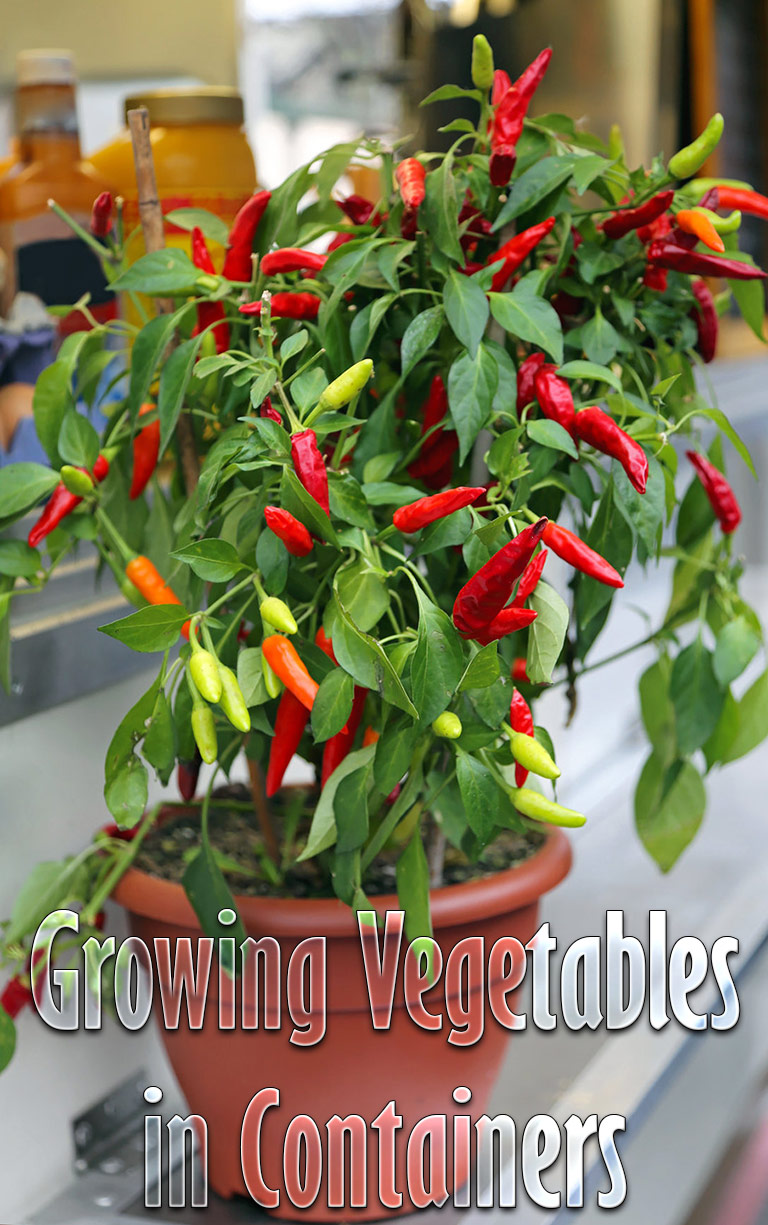
Yes, beginners can successfully grow certain vegetables indoors, including lettuce, spinach, cherry tomatoes, and peppers, especially with adequate lighting. Herbs like basil, mint, and chives are even easier starting points for indoor edible gardening. Investing in grow lights can significantly improve your success rate if natural sunlight is limited in your space.
What size pot should I use for my indoor plants?
Choose a pot that is 1-2 inches larger in diameter than your plant’s current root ball, with adequate drainage holes at the bottom. A pot that’s too large can hold excess moisture and lead to root rot, while a pot that’s too small can restrict growth and cause the plant to become root-bound. Repotting into a slightly larger container every 1-2 years supports healthy plant development.
📅 Last updated: