Last Updated: July 1, 2026
This complete guide to planting vegetables is designed for beginner and experienced gardeners who want a quick-reference alphabetical list of vegetables along with detailed growing instructions for each crop. Whether you’re planning your first vegetable garden or expanding an established plot, you’ll find everything you need to know about when to sow, where to plant, and when to harvest the most popular garden vegetables.
Use the this alphabetical list of vegetables and growing instructions to successfully plant a vegetable garden of fresh, nutritious crops. Click on a vegetable link in the table below.
Our comprehensive alphabetical list of vegetables will help you identify old favourites or – you may spot vegetables that you have never tried before and come over all adventurous….
….just give them a go – it’s all part of the fun and fascination of growing vegetables.
Planting vegetables is not magic or hard…
….just learn what they want – and they will grow!

…and, oh boy! the satisfaction of tucking into a meal of fresh – I grew them myself y’know – vegetables and salads with family and friends is not to be missed.
And you know what else isn’t to be missed, you become THE expert.
So head for your tool shed and get those lopping shears out and make some space to plant a vegetable garden.
Family and friends who enjoyed eating those taste bulging, nutrition packed vegetables will start asking YOU for guidance on how they can do it too.
Walking round your new or established vegetable garden they’ll ask you how you did it and you tell them, I owe it all to……www.vegetable-garden-guide.com.
Ok, I know – you put in all the effort…and it certainly paid off didn’t it!
Choose from the alphabetical list of vegetables below, click on the name of a vegetable type and you will have access to all the information you need for growing vegetables like you’ve never tasted before….mmmmmm – delicious.
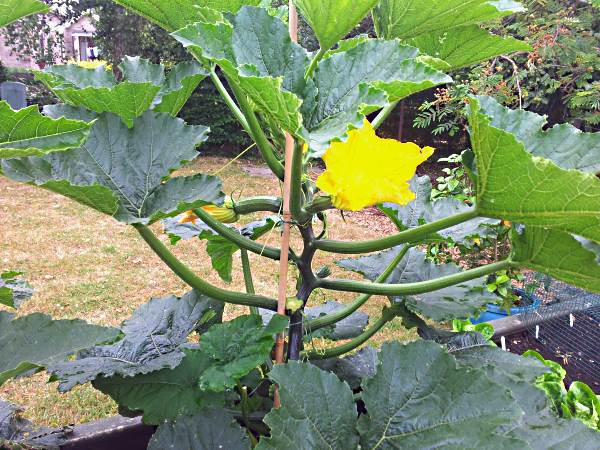 Climbing Courgette – Black Forest – Saves Space
According to the Royal Horticultural Society, growing your own vegetables can reduce a household’s food carbon footprint by up to 25%, while the National Gardening Association reports that a well-maintained vegetable garden can yield an average return of $500 worth of produce from a $50 investment in seeds and supplies.
Complete Alphabetical List Of Vegetables with Sowing and Harvest Times
| Vegetable | Siting | Sowing | Transplant | Harvest |
|---|---|---|---|---|
| Asparagus | Sun | Seed – Late March/Early April | Crowns – Late March/Early April | Mid April to Mid June |
| Beetroot | Sun/Semi Shade | March to June |
— |
July to October |
Broccoli |
Sun/Semi Shade | April to May | June to July | Green in Autumn Purple Late Winter/Spring |
| Brussels Sprouts | Semi Shade | March to Late April | May to June | Oct to Feb – Depends on Variety |
| Cabbage | Sun | Depends on Variety | Depends on Variety | Depends on Variety |
| Carrots | Sun | April to June |
— |
July to October |
Cauliflower |
Sun/Semi Shade | Mid March to May | June to July | Depends on Variety |
| French Beans | Sun/Semi Shade | End April/Early May |
— |
July to September |
| Garlic | Sun | Plant Cloves in October to Over-Winter |
— |
Mid August Approx. |
| Green Beans (Runner/Pole) |
Sun | End May/Early June |
— |
August to October |
Lettuce |
Sun/Semi Shade | March to July Feb Under Glass |
April | Mid June to Mid October |
| Onions | Sun | From Seed Late Feb to March |
From Bulbs Feb to April |
July to September |
| Onions (Spring) |
Sun | March to July |
— |
June to October |
| Potatoes | Sun | Late March to April |
— |
Earlys-Lates June to October |
| GreenhouseTomatoes | Sun | G/house Late March/Early April Outdoor Early April |
G/house May OutdoorsLate May/early June |
August to September |
More varieties will be added over time to this alphabetical list of vegetables….but what a great start. If you planted even a small percentage of these vegetables into your garden you’ll amaze yourself just how much it adds to your families pleasure and nutritional needs.
Article source: https://www.vegetable-garden-guide.com/alphabetical-list-of-vegetables.html
Frequently Asked Questions About Growing Vegetables
What are the easiest vegetables to grow for beginners?
The easiest vegetables for beginners include lettuce, radishes, green beans, and courgettes, as they require minimal maintenance and grow quickly. Potatoes and garlic are also excellent choices because they are largely self-sufficient once planted. Starting with these forgiving crops helps new gardeners build confidence before tackling more demanding vegetables like cauliflower or asparagus.
When is the best time to start planting vegetables in the UK?
The best time to start planting vegetables in the UK depends on the specific crop, but most sowing begins between March and May when soil temperatures rise above 7°C. Hardy vegetables like onions and garlic can be planted as early as October for overwintering, while tender crops like tomatoes and beans should wait until late May or early June when frost risk has passed. Always check the specific sowing times in the vegetable growing guide for each crop.
How much sunlight do most vegetables need to grow successfully?
Most vegetables require at least 6-8 hours of direct sunlight per day for optimal growth and fruit production. Leafy vegetables like lettuce and cabbage can tolerate semi-shade conditions with 4-6 hours of sun. Root vegetables such as carrots and beetroot prefer full sun but will still produce a harvest in partially shaded areas.
What is the difference between sowing and transplanting vegetables?
Sowing refers to planting seeds directly into the soil where the vegetables will grow to maturity, which is common for carrots, beetroot, and beans. Transplanting involves starting seeds indoors or in a greenhouse and moving the young plants outdoors once they are established and weather conditions are suitable. Vegetables like tomatoes, broccoli, and Brussels sprouts typically benefit from transplanting to extend the growing season.
How do I know when my vegetables are ready to harvest?
Harvest times vary by vegetable type and are indicated in the growing guides, but general signs include mature size, colour changes, and firmness. For root vegetables like carrots and beetroot, the tops of the roots should be visible at soil level and reach the expected diameter. Leafy vegetables are best harvested when young and tender, while fruiting vegetables like tomatoes should be picked when fully coloured and slightly soft to the touch.
Can I grow vegetables in containers if I don’t have a garden?
Yes, many vegetables grow excellently in containers, including tomatoes, lettuce, beans, and peppers, making them ideal for patios, balconies, and small spaces. Choose containers at least 30cm deep with good drainage holes and use quality potting compost. Container-grown vegetables may require more frequent watering and feeding than those grown in the ground, but they offer the advantage of being moveable to catch the best sunlight.
Why should I grow my own vegetables instead of buying them?
Growing your own vegetables provides superior freshness and flavour that supermarket produce simply cannot match, as home-grown crops can be harvested at peak ripeness. You also gain complete control over growing methods, avoiding pesticides and chemicals if you prefer organic cultivation. Additionally, vegetable gardening offers significant cost savings, excellent physical exercise, and the deep satisfaction of feeding your family with food you produced yourself.
📅 Last updated: