Last Updated: July 3, 2026
This comprehensive guide explores the most unusual house plants that will spark conversation and add intrigue to your indoor garden. Whether you’re a seasoned plant enthusiast looking to expand your collection or a beginner seeking something extraordinary, this post covers plants with unusual behaviours like carnivorous species, visually striking specimens such as the Black Bat Plant and String of Pearls, and creative presentation ideas including terrariums.
Unusual House Plant Behaviour That Fascinates
Carnivorous Plants: Nature’s Insect Hunters
Carnivorous plants such are unique in that they derive some of their nutrients from capturing and consuming animals. The Venus flytrap is particularly interesting as it has two lobes that triggers closed when an animal lands on the trigger hairs.

Air Plants (Tillandsias): Soil-Free Growing Wonders
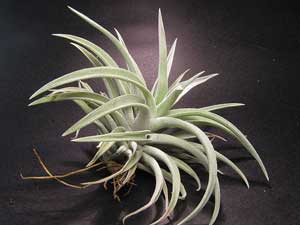
Air plants (also called Tillandsias) have the rare property that they can grow in air without a growing medium. This opens up some interesting presentation options, including placing them in a hanging terrarium.
According to the Royal Horticultural Society, houseplant sales in the UK have increased by over 50% in recent years, with unusual and rare specimens driving much of this growth as collectors seek conversation-worthy additions to their indoor gardens.
Unusual House Plant Appearance: Striking Visual Specimens
Most unique house plants are unusual because of their appearance. Many of these plants show the diversity of the world of plants in your home.
Bonsai: The Ancient Art of Miniature Trees
Bonsai is the art of growing miniature trees in containers for aesthetic reasons. It is quite an involved art-form requiring a lot of care and maintenance of the tree, but the creations are definitely very beautiful.
Dwarf Aloe: Compact Succulents With Big Character
These chaps are really small aloes that grows under 15cm (6in) in height, can be grown in a little pot and looks just like a real aloe, producing orange flowers.
Terrestrial Tillandsia: Fan-Like Flowering Beauty
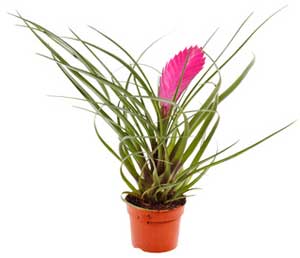
Earthbound forms of the Tillandsia (the air plants I mentioned above are also Tillandsias) produce a striking fan-like flower that will really stand out because of its uniqueness.
Black Bat Plant: The Dramatic Whisker-Faced Flower
This plant has the strangest flowers that resemble a bat. A bunch of long white whiskers surround the purple black flower.

String of Pearls: Cascading Succulent Elegance
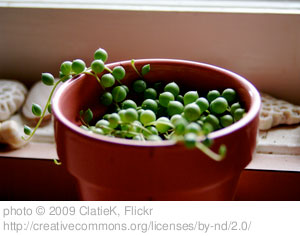
The String of Pearls plant has lovely round fleshy pearl-sized leaves. They’re great for putting in a hanging basket to trail over the sides in a chandelier of green.
Coral Cactus: An Underwater Illusion in Your Home
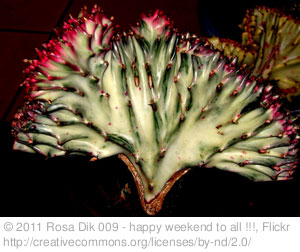
Looking at the Coral Cactus, you could think you were SCUBA diving. It’s uncanny how similar it looks to coral on a reef. And you can pot it and have it in your own home!
Unique Presentation Ideas for House Plants
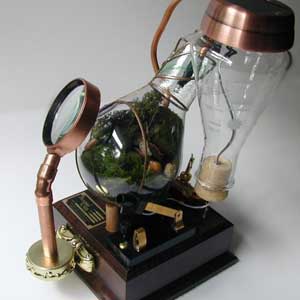
Another way to have an unusual house plant is to present a plant in an unusual way. I’m a big fan of terrariums for this. And what better an example of it than this incredible piece of art:
Article source: http://www.beginner-indoor-gardening.com/unusual-house-plants.html
Frequently Asked Questions About Unusual House Plants
What are the easiest unusual house plants for beginners to grow?
Air plants (Tillandsias) and String of Pearls are among the easiest unusual house plants for beginners because they require minimal care and are quite forgiving. Air plants only need occasional misting and bright indirect light, while String of Pearls thrives with infrequent watering and well-draining soil, making both excellent starting points for those new to unusual specimens.
How do you care for a Venus flytrap indoors?
Venus flytraps require bright direct sunlight for at least 4-6 hours daily and should be watered with distilled or rainwater, as tap water minerals can harm them. They prefer high humidity and nutrient-poor soil such as a peat moss and perlite mix. During winter, they need a dormancy period with cooler temperatures to remain healthy long-term.
Can air plants survive without any soil at all?
Yes, air plants can survive entirely without soil because they absorb water and nutrients through specialised scales on their leaves called trichomes. They attach themselves to surfaces for support rather than nutrient absorption. Simply mist them regularly or soak them in water for 20-30 minutes weekly to keep them thriving.
Why is my String of Pearls plant shrivelling?
Shrivelling in String of Pearls typically indicates either underwatering or overwatering, as both conditions cause the pearl-shaped leaves to lose their plumpness. Check the soil moisture—if it’s bone dry, increase watering frequency, but if it’s soggy, reduce watering and ensure proper drainage. These succulents prefer to dry out between waterings but shouldn’t be neglected for extended periods.
How long does it take to grow a bonsai tree?
Growing a bonsai tree is a long-term commitment that typically takes 3-5 years to develop basic shape and structure, with many specimens taking decades to reach their full aesthetic potential. The art of bonsai is often described as a lifelong journey rather than a destination. Many enthusiasts purchase pre-started bonsai trees to enjoy the art form while continuing to develop their skills.
Are Black Bat Plants difficult to grow indoors?
Black Bat Plants (Tacca chantrieri) are considered moderately challenging to grow indoors because they require specific conditions including high humidity, warm temperatures, and filtered light. They thrive in environments that mimic their native tropical forest floor habitat. With proper care including consistent moisture and protection from direct sunlight, they can reward growers with their spectacular bat-shaped blooms.
What makes a house plant truly unusual or rare?
A house plant is considered unusual or rare based on unique physical characteristics, uncommon growing behaviours, limited availability, or striking visual appeal that sets it apart from common varieties. Plants like carnivorous species, those with unusual leaf shapes or colours, and specimens requiring specialised care often fall into this category. Rarity can also stem from difficulty in propagation or limited natural habitat distribution.
📅 Last updated:
SHARE IT SO OTHERS CAN FIND THE BEST GARDENING INFO