Last Updated: June 7, 2026
This comprehensive guide to vegetable horticulture is designed specifically for first-time gardeners who want to grow their own food at home. Whether you have a small backyard plot or a few raised beds, you’ll learn essential beginner tips including how to start small, understand your growing zone, select the easiest crops for success, and develop observation habits that will make you a better gardener over time.
I cannot tell you just how happy it makes me when a person takes that initial action to growing a garden of their very own.
It could be both complete as well as satisfying of crop failures. I have actually talked prior to about ‘ Novice Horticulture Mistakes to Avoid ‘ so today I wished to show to you some pointers if you’re a new veggie garden enthusiast.
Pointer # 1: Start Small With Your First Vegetable Garden
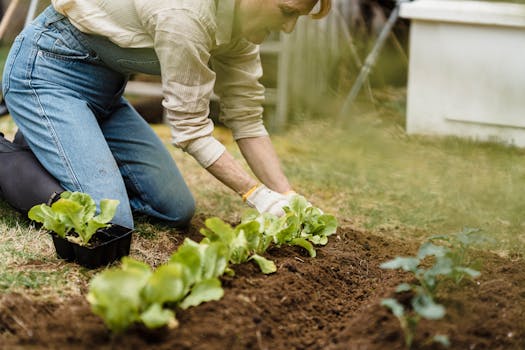
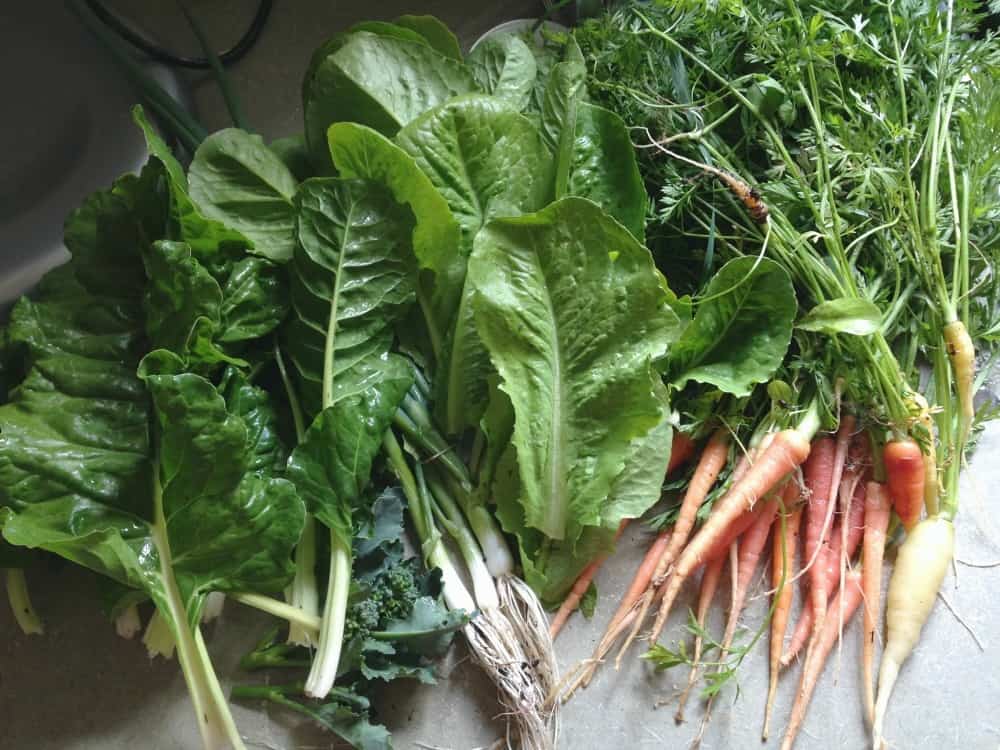
Although you could be extremely thrilled to expand great deals of food, occasionally you forget what does it cost? time you need to commit to your garden or you can’t stay up to date with your harvests. The initial time veggie gardener must go gradually, emphasis on a few beds rather of lots of. This will certainly offer you a more rewarding experience that you’re most likely to return to.
According to the National Gardening Association, households that start with small garden plots of 100-200 square feet are 60% more likely to continue gardening in subsequent years compared to those who attempt larger gardens in their first season.
Suggestion # 2: Understand Your Local Climate and Plant Hardiness Growing Zone
If you aren’t sure exactly what your neighborhood strength area is, you won’t know what crops you could expand in your location ( click. below for the U.S hardiness areas. or. The better understanding you have with your climate obstacles, frost days or general environment restrictions the more effective your yard will be. You do not desire to plant trendy season caring lettuce in your drought summertime or tomatoes in your months of prospective frosts! Pointer # 3: Choose Easier Crops to Grow.
Best Easy-to-Grow Vegetables for Beginner Gardeners
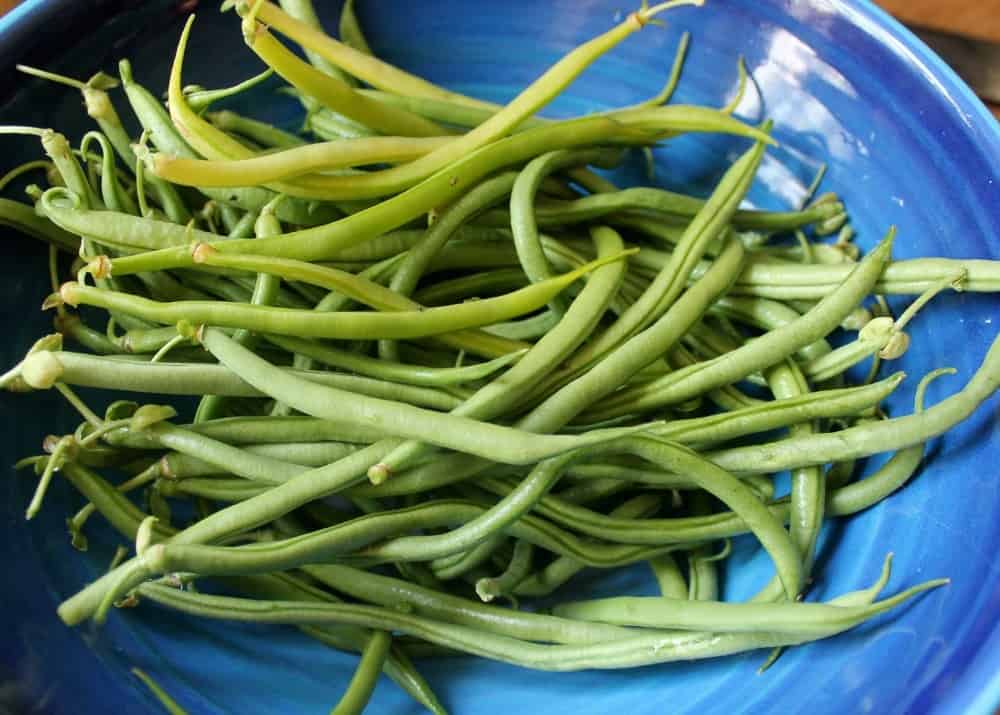
Specific veggies are a lot easier to expand compared to others, although sometimes it relies on the dirt or parasites also. Generally right here are a few of the simpler crops to expand:
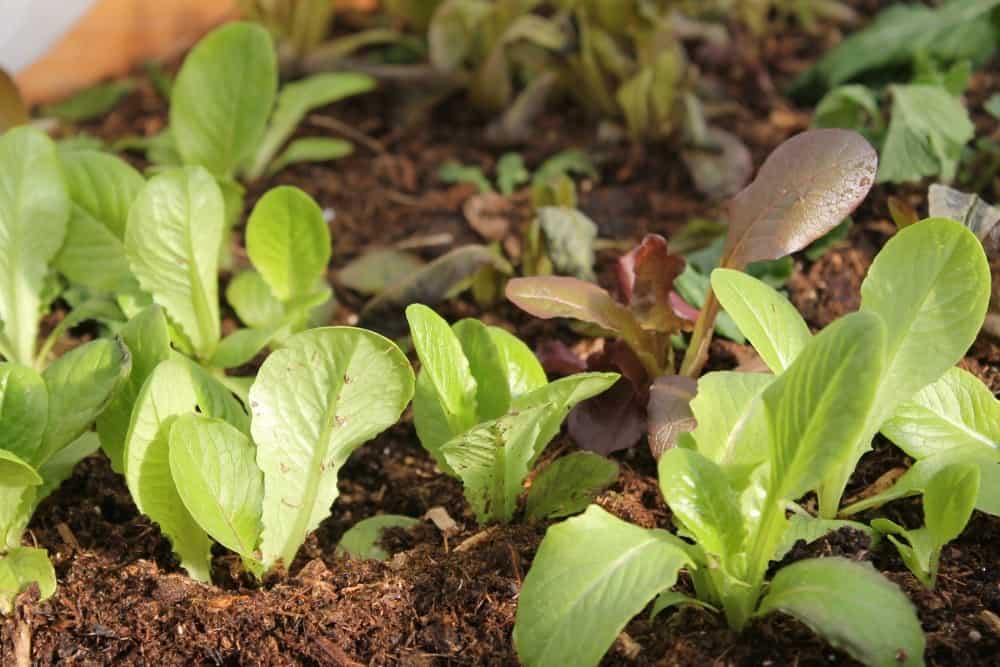
- Lettuce.
- Radishes.
- Zucchini/summer squash.
- Green/string beans.
- Peas.
- Kale.
- Arugula & & Mesclun environment-friendlies.
- Cucumbers.
- See the complete list of very easy crops to expand.
You must likewise stay clear of the hardest crops to expand.
Tip # 4: Observe Your Garden and Make Detailed Notes
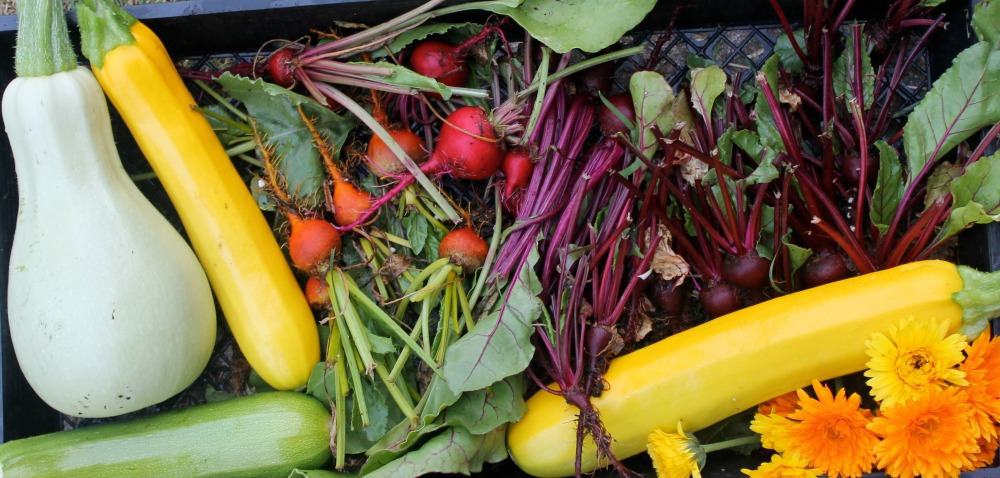
This would be my # 1 guidance to novice garden enthusiasts. Even if you’ve never ever read a gardening publication in your life, take seasonal notes of your weather condition, parasites, problems, successes, just what you did right and exactly what you struggled with. Maintaining a yard journal will assist you problem address and repair growing or parasite challenges. This will aid you ask concerns as well as look for out that knowledge and solutions which will certainly make you a better garden enthusiast in the long run and filled with gardening wisdom as the years take place!
Expanding your very first garden will certainly be the most effective thing you ever before do! If you obtain very little harvests that year you’re taking an excellent action in the direction of expanding some food for on your own or your household, even!
Article source: http://www.familyfoodgarden.com/vegetable-gardening-for-beginners/
Frequently Asked Questions About Vegetable Gardening for Beginners
What is the best size garden for a beginner vegetable gardener?
For first-time vegetable gardeners, starting with a small plot of about 100-200 square feet or 2-3 raised beds is ideal. This manageable size allows you to learn proper care techniques without becoming overwhelmed, and you can always expand your garden in future growing seasons as you gain experience and confidence.
How do I find out what hardiness zone I live in?
You can determine your USDA Plant Hardiness Zone by visiting the USDA’s official hardiness zone map online and entering your zip code. Your hardiness zone tells you the average minimum winter temperature in your area, which helps you choose plants that will survive and thrive in your specific climate conditions.
What are the easiest vegetables to grow for someone with no gardening experience?
The easiest vegetables for complete beginners include lettuce, radishes, zucchini, green beans, peas, kale, and cucumbers. These crops are forgiving of minor mistakes, grow relatively quickly, and don’t require complex care routines, making them perfect for building your gardening confidence.
Why is keeping a garden journal important for new gardeners?
A garden journal helps you track weather patterns, pest problems, planting dates, and what worked or didn’t work each season. This written record becomes an invaluable reference tool that helps you troubleshoot issues, repeat successes, and continuously improve your gardening skills year after year.
When is the best time of year to start a vegetable garden?
The best time to start depends on your local climate and frost dates. Cool-season crops like lettuce and peas can be planted in early spring, while warm-season vegetables like tomatoes and cucumbers should be planted after all danger of frost has passed. Consulting your local agricultural extension office can provide specific planting dates for your area.
How much time per week does a beginner vegetable garden require?
A small beginner garden typically requires 3-5 hours per week for basic maintenance including watering, weeding, and monitoring for pests. Starting small ensures that gardening remains enjoyable rather than becoming a burdensome chore, which is why experienced gardeners recommend not overcommitting in your first season.
What mistakes should first-time vegetable gardeners avoid?
Common beginner mistakes include planting too much too soon, not understanding your local growing conditions, choosing difficult crops, and failing to observe and document what happens in your garden. By starting small, researching your hardiness zone, selecting easy crops, and keeping notes, you can avoid these pitfalls and enjoy a successful first harvest.
📅 Last updated: