Last Updated: June 25, 2026
This comprehensive vegetable garden guide is designed for anyone who wants to grow their own fresh produce at home, whether you’re a complete beginner or an experienced gardener looking to expand your knowledge. You’ll discover practical advice on garden design, soil preparation, plant care, pest control, and harvesting techniques to help you create a thriving vegetable patch in your own backyard.
Imagine….a vegetable garden in your own back yard! Ideal for picking perfectly ripe, perfectly delicious tomatoes without having to wonder what chemicals went into growing them.
…..or picking runner beans, plump and ready for eating, fresh off the vine for dinner.
Imagine….all the ingredients for a salad at hand and ready when you are – without the expense of buying them at the supermarket.
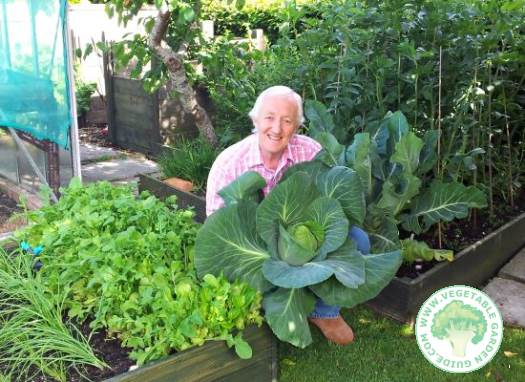
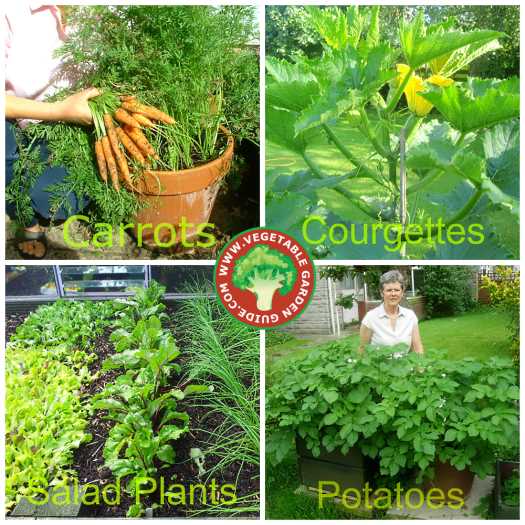
I turned my dream into reality as you can see from the pictures on this page. With just a small-ish growing area I and my family enjoyed many varieties of deliciously fresh produce.
We weren’t self sufficient but by setting aside a small area in my back yard as a place for planting vegetables, we were able to appreciate what fresh really meant.
My Vegetable Garden Journey – The Inspiration Behind Growing My Own
Ros, my wife, is the inspiration behind my creating our veg patch. she is such a great cook, turning all our produce into wonderful salads, roasts and soups – to mention but a few.
So don’t let anything get in your way – you too….
.…can have your very own harvest festivities by developing your own vegetable growing plan – it’s not that difficult.
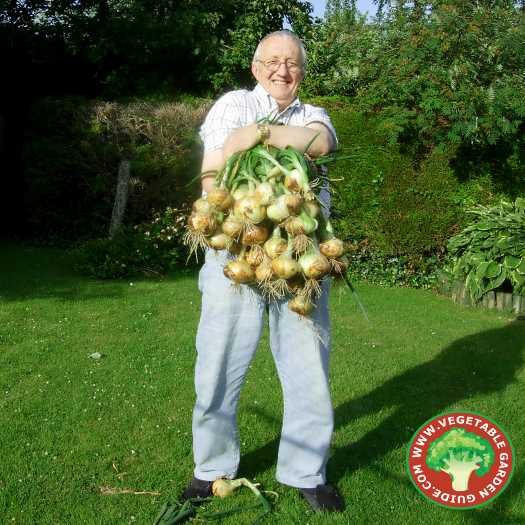
Creating an area in your garden where you can grow your own vegetables pays off with big benefits:
- Healthy nutritious food added to your families diet.
- Gardening burns off twice as many calories as a brisk walk.
- People who ‘grow their own’ report more satisfaction with life.
- use no or fewer pesticides – your in control.
- And more…
According to the National Gardening Association, a well-maintained vegetable garden can yield an average of $600 worth of produce per year from just a 600-square-foot plot, making home vegetable gardening both a healthy and economical choice for families.
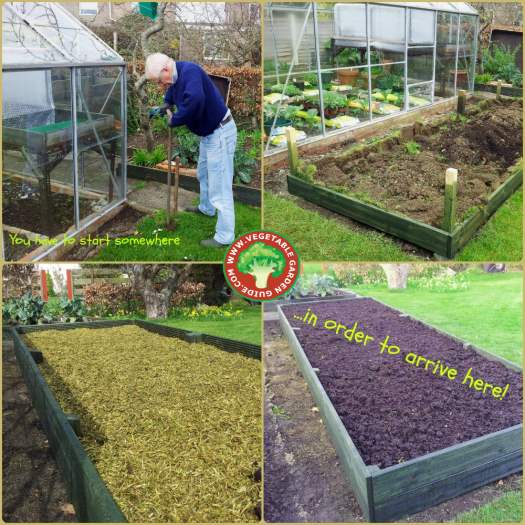
OK, so your convinced! Growing veggies is the wisest way to promote health and happiness for yourself and your family.
But you’re not sure where to start!
I’ll hold your hand – as long as it’s not too dirty – guiding you around the veg patch, using articles to educate, pictures for identification and gardening video demonstrations to back up easy to follow how-to advice, including:
- Vegetable gardening and design.
- Soil Quality and improvement.
- A-Z of vegetable plants.
- Pest control.
- Composting.
- Raised vegetable beds
And so much more….
From tomatoes to hybrid runner beans, from cabbages to courgettes, I will help you identify and care for the best plants for your plot….
I’ll share nutritional information, recipes, planting advice and more to help you become an expert yourself.
From planning through to harvesting and beyond….
I aim to bring you the best, most solid information with my vegetable garden guide so that you and your family can enjoy all the benefits that come from fresh, natural, wholesome food and the joy of gardening in your own back yard.
So what are you waiting for….let`s get growing!
Article source: https://www.vegetable-garden-guide.com/
Frequently Asked Questions About Starting a Vegetable Garden
What is the best time of year to start a vegetable garden?
The best time to start a vegetable garden depends on your climate and the vegetables you want to grow. Most gardeners begin planting cool-season crops like lettuce and peas in early spring, while warm-season vegetables like tomatoes and peppers should be planted after the last frost date in your area. Planning your garden in late winter allows you to prepare the soil and order seeds in advance.
How much space do I need for a vegetable garden?
You can start a productive vegetable garden in as little as 50-100 square feet, which is enough space to grow salad greens, herbs, tomatoes, and a few other vegetables. Even a small raised bed or container garden on a balcony can yield fresh produce. The key is to start small and expand as you gain experience and confidence.
What are the easiest vegetables to grow for beginners?
Beginners should start with easy-to-grow vegetables such as tomatoes, courgettes (zucchini), lettuce, radishes, and runner beans. These crops are forgiving of minor mistakes and produce abundant harvests with basic care. Starting with these reliable vegetables helps build confidence before tackling more challenging plants.
How often should I water my vegetable garden?
Most vegetable gardens need about 1-2 inches of water per week, either from rainfall or irrigation. It’s better to water deeply and less frequently rather than giving shallow waterings every day, as this encourages deeper root growth. Check the soil moisture by inserting your finger about an inch into the soil—if it feels dry, it’s time to water.
Do I need to use pesticides in my vegetable garden?
Many home gardeners successfully grow vegetables without synthetic pesticides by using organic methods such as companion planting, hand-picking pests, and encouraging beneficial insects. Natural pest control options include neem oil, insecticidal soaps, and biological controls like ladybirds. Growing your own vegetables gives you complete control over what goes on your food.
What type of soil is best for growing vegetables?
Vegetables thrive in loose, well-draining soil that is rich in organic matter with a pH between 6.0 and 7.0. Adding compost to your garden beds improves soil structure, drainage, and nutrient content regardless of your starting soil type. Testing your soil before planting helps you understand what amendments may be needed for optimal vegetable growth.
Can I grow vegetables in containers instead of a traditional garden bed?
Yes, many vegetables grow exceptionally well in containers, making them perfect for patios, balconies, and small spaces. Tomatoes, peppers, lettuce, herbs, and even compact varieties of courgettes can thrive in pots with proper drainage and regular watering. Choose containers that are at least 12 inches deep for most vegetables and use high-quality potting mix for best results.
📅 Last updated: