
Last Updated: June 7, 2026
[geo_answer label="Quick Answer"]Japanese gardening tools like the hori hori knife, nejiri gama weeder, and Japanese pruning shears are precision-crafted implements that have been perfected over centuries to make gardening tasks more efficient. These five essential tools offer superior ergonomics, durability, and multi-functionality that can significantly reduce effort and improve results for home gardeners of all skill levels.[/geo_answer]This comprehensive guide explores five essential Japanese gardening tools that every gardener should consider adding to their collection. Whether you are a beginner looking to invest in quality equipment or an experienced horticulturist seeking to upgrade your toolkit, these time-tested Japanese implements offer exceptional craftsmanship and practical functionality for a wide range of gardening tasks.
Japanese tool-making traditions date back centuries, with many techniques originating from the same artisans who crafted samurai swords. This rich heritage of metalworking excellence translates directly into gardening implements that are not only beautiful but remarkably functional. The philosophy behind Japanese tool design emphasizes harmony between the user and the task at hand, creating tools that feel like natural extensions of the gardener's hands.
Unlike mass-produced Western alternatives, Japanese gardening tools are often handcrafted by skilled blacksmiths who have inherited their knowledge through generations of family tradition. This dedication to craftsmanship means that each tool receives individual attention during the forging process, resulting in implements with superior edge retention, balance, and durability. When you invest in authentic Japanese gardening tools, you are not simply purchasing equipment—you are acquiring functional works of art that will serve you faithfully for decades.
The post 5 Japanese Gardening Tools That Will Make Your Life Easier is by Sarah Jay and appeared first on Epic Gardening, the best urban gardening, hydroponic gardening, and aquaponic gardening blog.
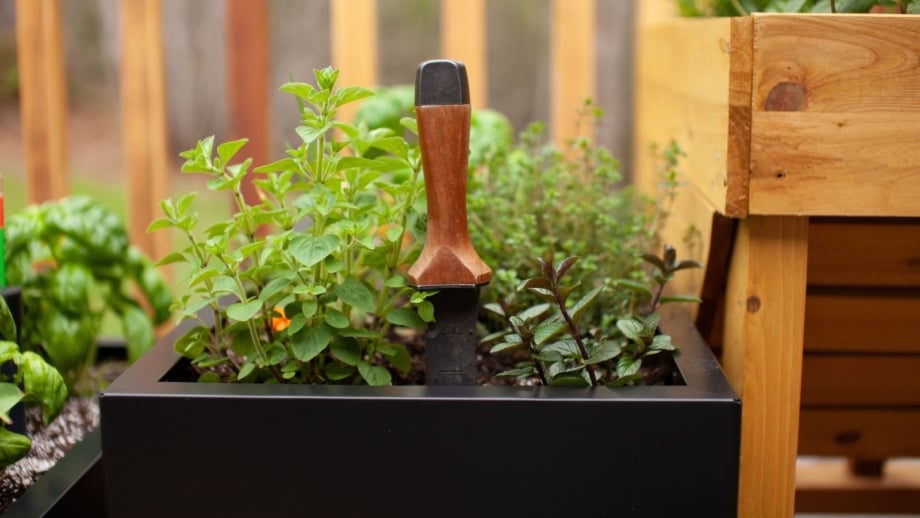
Japanese gardening tools have a storied history and are exceptionally practical by design. Many of these useful implements were developed centuries ago, and are still effective in gardens all over the world. Experienced gardener Sarah Jay covers five of the best ones that will make your gardening tasks easier.
According to the Japan External Trade Organization (JETRO), Japanese hand tool exports have increased by over 15% in recent years, reflecting growing global appreciation for the superior craftsmanship and durability of traditional Japanese garden implements.
This growing demand speaks to something important: gardeners worldwide are discovering what Japanese cultivators have known for generations. Quality tools make gardening more enjoyable, more efficient, and ultimately more successful. The initial investment in premium Japanese tools often pays for itself many times over, both in terms of longevity and the improved results you will achieve in your garden.
One of the most compelling reasons to consider Japanese gardening tools is their ergonomic design philosophy. Japanese craftsmen understand that gardening is physically demanding work, and they have developed tools that minimize strain on the hands, wrists, and back. The carefully considered weight distribution, handle angles, and grip textures all contribute to tools that feel comfortable even during extended use. For gardeners who struggle with arthritis, carpal tunnel syndrome, or other conditions affecting hand strength and dexterity, Japanese tools can make the difference between an enjoyable gardening session and a painful one.
The materials used in Japanese tool construction also deserve special mention. High-carbon steel, the preferred material for premium Japanese blades, offers a unique combination of hardness and flexibility that allows for incredibly sharp edges that resist chipping and can be easily resharpened. Many traditional Japanese tools also incorporate softer iron layers laminated with harder steel, a technique called "warikomi" that creates blades with exceptional cutting performance and durability. This attention to metallurgical detail ensures that your Japanese gardening tools will maintain their effectiveness year after year.
The post 5 Japanese Gardening Tools That Will Make Your Life Easier is by Sarah Jay and appeared first on Epic Gardening, the best urban gardening, hydroponic gardening, and aquaponic gardening blog.
Frequently Asked Questions About Japanese Gardening Tools
What makes Japanese gardening tools different from Western tools?
Japanese gardening tools are typically forged from high-carbon steel and feature designs that have been refined over centuries for maximum efficiency and precision. They often prioritize sharpness, balance, and ergonomic handles that reduce hand fatigue during extended use. Many Japanese tools are also designed to be multi-functional, allowing gardeners to accomplish several tasks with a single implement.
The fundamental design philosophy differs significantly between Japanese and Western approaches. Western tools tend to rely on brute force and leverage, while Japanese tools emphasize precision and technique. This means Japanese tools are often lighter and more maneuverable, requiring less physical effort to achieve excellent results. The blade geometries are typically more acute, allowing for cleaner cuts that promote faster plant healing and reduce disease transmission in your garden.
Additionally, the aesthetic consideration in Japanese tool design reflects the cultural importance of gardening in Japan. Tools are crafted to be visually pleasing as well as functional, with attention paid to the grain of wooden handles and the finish of metal components. This creates implements that gardeners genuinely enjoy using and displaying.
How do I properly maintain and care for Japanese garden tools?
Japanese garden tools require regular cleaning, drying, and light oiling to prevent rust and maintain their sharp edges. After each use, remove soil and debris, then wipe the metal surfaces with a lightly oiled cloth. Sharpen blades periodically using a whetstone, and store tools in a dry location to preserve their quality for years.
The maintenance routine for Japanese tools is straightforward but essential. Begin by using a stiff brush or wooden scraper to remove caked-on soil immediately after gardening. Never leave tools dirty overnight, as moisture trapped in soil accelerates rust formation on high-carbon steel. Once clean, dry the metal surfaces thoroughly with a clean cloth before applying a thin layer of camellia oil, which is traditionally used in Japan, or any light machine oil.
Sharpening Japanese tools requires a slightly different approach than Western implements. Use a whetstone rather than a file, maintaining the original bevel angle established by the manufacturer. Many Japanese tools have a single-bevel design, meaning you sharpen only one side of the blade. Work slowly and methodically, checking your progress frequently to avoid removing more material than necessary. With proper sharpening technique, your Japanese tools will maintain their legendary cutting performance indefinitely.
Is a hori hori knife worth the investment for beginner gardeners?
Yes, a hori hori knife is an excellent investment for gardeners of all skill levels because it serves multiple purposes including digging, cutting, weeding, and transplanting. Its versatility means beginners can accomplish many tasks with one quality tool rather than purchasing several separate implements. The durability of authentic Japanese hori hori knives also means they will last for many years with proper care.
For beginners especially, the hori hori knife represents exceptional value because it eliminates the need to purchase multiple specialized tools while you are still learning what types of gardening you enjoy most. The serrated edge handles tough roots and fibrous materials, while the smooth edge makes precise cuts for transplanting. The pointed tip excels at breaking up compacted soil, and the depth markings on many hori hori blades help ensure consistent planting depths.
Consider the hori hori your garden "Swiss Army knife" that you will reach for constantly. Many experienced gardeners report that their hori hori becomes their most-used tool, accompanying them on every trip to the garden. The substantial blade and comfortable handle make quick work of tasks that would otherwise require switching between multiple implements.
Where can I purchase authentic Japanese gardening tools?
Authentic Japanese gardening tools can be purchased from specialty garden centers, reputable online retailers, and directly from Japanese manufacturers or importers. Look for tools that specify the region of manufacture in Japan, such as Sanjo or Ono, which are known for their metalworking heritage. Reading reviews and checking for quality certifications can help ensure you are purchasing genuine Japanese-made products.
When shopping for Japanese gardening tools, be aware that many inexpensive imitations flood the market. These counterfeit products may look similar but lack the quality materials and craftsmanship that make authentic Japanese tools special. Genuine Japanese tools typically cost more, but the investment is justified by their superior performance and longevity.
Reputable specialty retailers often provide detailed information about the specific forge or craftsman who created each tool. This transparency is a good indicator of authenticity. Some well-known Japanese tool-making regions include Sanjo in Niigata Prefecture, famous for agricultural tools, and Sakai in Osaka Prefecture, renowned for cutting implements. Tools from these regions carry centuries of metalworking expertise in their design and construction.
Are Japanese pruning shears better than regular bypass pruners?
Japanese pruning shears, particularly those made with traditional forging techniques, typically offer superior sharpness and cleaner cuts compared to mass-produced alternatives. The high-carbon steel used in Japanese shears holds its edge longer and can be resharpened to original condition. Many professional gardeners and arborists prefer Japanese pruning shears for their precision and reduced plant damage during cutting.
The difference becomes immediately apparent when you make your first cut with quality Japanese pruning shears. The blade glides through stems with minimal resistance, leaving a clean wound that heals quickly. This precision cutting is not merely aesthetic—it directly impacts plant health by reducing the crushed tissue and ragged edges that invite disease and pest infestation.
Japanese pruning shears also tend to feature more thoughtful ergonomic designs, with handles that accommodate natural hand positions and springs that provide just the right amount of resistance. The result is less hand fatigue during extended pruning sessions, which means you can accomplish more work with less discomfort. For gardeners who do significant amounts of pruning, this ergonomic advantage alone justifies the premium price.
What is the nejiri gama weeder and how do I use it?
The nejiri gama is a traditional Japanese hand weeder featuring a sharp, angled blade attached to a wooden handle. It is designed to slice weeds just below the soil surface with a push-pull motion, severing roots without disturbing surrounding plants. This tool is particularly effective for weeding between closely spaced plantings and in tight spaces where larger tools cannot reach.
Using the nejiri gama requires a slightly different technique than Western hoe-style weeders. Hold the handle at a comfortable angle and use short, controlled strokes to slice through weed stems just beneath the soil surface. The sharp blade severs the connection between leaves and roots, causing weeds to die without the need to pull them completely from the ground. This approach disturbs less soil, which helps prevent buried weed seeds from reaching the surface where they could germinate.
The nejiri gama excels in vegetable gardens, flower beds, and any situation where precision weeding is required. Its compact size allows access to areas between closely planted crops, and the thin blade minimizes root disturbance to your desired plants. Many gardeners find that regular use of the nejiri gama reduces overall weeding time significantly, as the tool makes quick work of young weeds before they become established.
How long do quality Japanese gardening tools typically last?
With proper maintenance, high-quality Japanese gardening tools can last for decades or even generations. The traditional forging methods and premium materials used in authentic Japanese tools create implements that resist wear and can be repeatedly sharpened. Many gardeners report using the same Japanese tools for 20-30 years or more, making them a worthwhile long-term investment despite their higher initial cost.
The longevity of Japanese tools stems from both their construction quality and their repairability. Unlike many modern tools designed for disposal when worn, Japanese tools are meant to be maintained and restored throughout their service life. Blades can be resharpened hundreds of times before requiring professional reconditioning, and wooden handles can be replaced if damaged without discarding the valuable metal components.
This sustainable approach to tool ownership aligns with the Japanese concept of "mottainai," which expresses regret over waste and encourages respectful use of resources. When you purchase quality Japanese gardening tools, you are participating in a tradition that values craftsmanship, durability, and responsible stewardship. These tools may even become family heirlooms, passed down to future generations of gardeners who will appreciate their continued excellent performance.