Last Updated: June 8, 2026
[geo_answer label="Quick Answer"]Yes, your gardening zone matters, but it's only one piece of the puzzle. USDA hardiness zones tell you the average minimum winter temperature in your area, which helps determine which perennials can survive your winters. However, zones don't account for heat, humidity, rainfall, soil type, or microclimates—so you'll need to consider additional local factors for gardening success.[/geo_answer]This comprehensive guide explains exactly what USDA hardiness zones can and cannot tell you about your garden, helping both beginner and experienced gardeners understand when to rely on zone information and when to look beyond it. Whether you're selecting perennials, planning your vegetable garden, or trying to push the boundaries of what you can grow, this post will give you the complete picture of how gardening zones fit into successful plant selection.
Understanding your gardening zone is often the first step new gardeners take when planning their outdoor spaces, and for good reason. That simple number on the map provides a crucial baseline for making informed plant choices. However, many gardeners either place too much emphasis on zones alone or dismiss them entirely—both approaches can lead to frustration and failed plantings. The truth lies somewhere in the middle, and learning to balance zone information with other environmental factors will dramatically improve your gardening success rate.
The post Does Your Gardening Zone Even Matter? is by Madison Moulton and appeared first on Epic Gardening, the best urban gardening, hydroponic gardening, and aquaponic gardening blog.
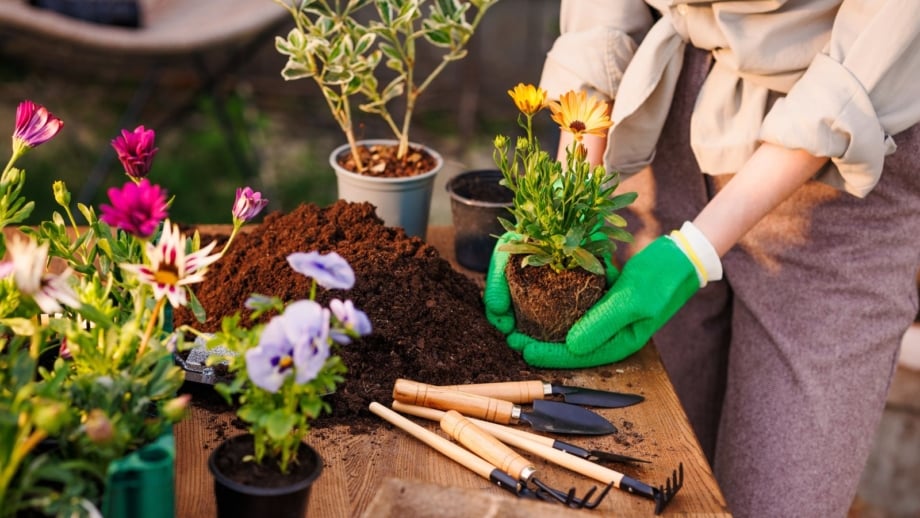
Does your gardening zone have a big impact on how you garden? Gardening expert Madison Moulton breaks down what USDA hardiness zones can and can't tell you about your garden, and explains why the number on the map is only the beginning of understanding what will thrive where you live.
According to the USDA, the Plant Hardiness Zone Map is the standard by which gardeners and growers can determine which perennial plants are most likely to thrive at a location, with the map updated in 2023 to reflect changing climate data from 1991-2020. This update represented a significant shift for many American gardeners, with approximately half of the country moving into warmer half-zones compared to the previous 2012 map. For practical purposes, this means plants that once seemed too tender for certain regions may now be viable options, opening up exciting new possibilities for adventurous gardeners willing to experiment.
The zone system divides North America into 13 zones, each representing a 10-degree Fahrenheit difference in average annual extreme minimum temperatures. These zones are further subdivided into "a" and "b" segments, each representing a 5-degree difference. For example, Zone 7a experiences minimum temperatures between 0 and 5°F, while Zone 7b ranges from 5 to 10°F. This level of specificity helps gardeners make more nuanced decisions about borderline-hardy plants.
The post Does Your Gardening Zone Even Matter? is by Madison Moulton and appeared first on Epic Gardening, the best urban gardening, hydroponic gardening, and aquaponic gardening blog.
Frequently Asked Questions About Gardening Zones
What exactly does a USDA hardiness zone tell you?
A USDA hardiness zone indicates the average annual extreme minimum temperature for a specific geographic area. This helps you determine which perennial plants can survive the coldest winter temperatures in your region. However, it does not provide information about summer heat, humidity, rainfall, or soil conditions.
Think of your hardiness zone as answering one specific question: "Will this plant survive my coldest winter nights?" This information is invaluable for selecting trees, shrubs, and perennial flowers that need to persist year after year. For instance, if you're in Zone 6 and considering a fig tree rated for Zones 7-10, you know immediately that without protection, that tree likely won't survive your winters. The zone system saves gardeners countless hours of trial and error by providing this baseline cold-hardiness information upfront.
However, survival and thriving are two different things. A plant might technically survive your minimum temperatures but still struggle due to other factors the zone system doesn't measure. For example, a Zone 6 garden in Ohio and a Zone 6 garden in Oregon experience vastly different growing conditions despite sharing the same hardiness zone. The Ohio garden deals with humid summers, clay soil, and consistent rainfall, while the Oregon garden might have dry summers, volcanic soil, and months without rain. Both gardens can grow the same cold-hardy plants, but the care requirements and companion plantings will differ dramatically.
Can you grow plants outside your recommended hardiness zone?
Yes, you can often grow plants outside your recommended zone by using microclimates, protective structures, or container gardening. South-facing walls, sheltered spots, and urban heat islands can create warmer conditions. You can also grow tender perennials as annuals or bring container plants indoors during winter.
Microclimates are perhaps the most powerful tool for zone-pushing gardeners. A south-facing brick wall absorbs heat during the day and radiates it at night, potentially creating a microclimate one full zone warmer than your surrounding garden. Similarly, planting near large bodies of water moderates temperature extremes, as water releases stored heat slowly during cold snaps. Urban gardeners often benefit from the "heat island effect," where buildings, pavement, and reduced vegetation create temperatures several degrees warmer than surrounding rural areas.
Container gardening offers another excellent strategy for growing plants outside your zone. By keeping tender perennials in pots, you can move them to protected locations—a garage, basement, or even indoors—when extreme cold threatens. Many gardeners successfully overwinter citrus trees, tropical hibiscus, and tender succulents this way, enjoying plants that would never survive their winters planted in the ground. The key is providing adequate light during indoor periods and gradually acclimating plants when transitioning between indoor and outdoor environments.
Some gardeners also employ protective structures like cold frames, row covers, and even Christmas lights to extend their growing capabilities. Wrapping marginally hardy plants in burlap, applying thick mulch layers, and strategic site selection can all push the boundaries of what's possible in your garden.
Why did the USDA update the hardiness zone map in 2023?
The USDA updated the map in 2023 to reflect 30 years of more recent temperature data (1991-2020), which showed warming trends across many regions. Many areas shifted half a zone warmer, meaning gardeners in those regions can now potentially grow plants that previously wouldn't survive their winters. The update provides more accurate guidance for modern growing conditions.
The 2023 update was significant because it incorporated more data points than ever before—approximately 13,000 weather stations contributed information compared to about 8,000 for the 2012 map. This increased data density provides more accurate zone boundaries, particularly in areas with complex terrain where microclimates can vary significantly over short distances. Mountain regions, coastal areas, and valleys all benefit from this improved resolution.
For practical purposes, the zone shift means gardeners should reconsider plants they previously dismissed as too tender. If you moved from Zone 6b to Zone 7a, for example, you might now successfully grow southern magnolias, crepe myrtles, or certain camellias that would have been risky choices under the old designation. However, it's wise to proceed cautiously—climate averages don't prevent occasional extreme cold events, and a single brutal winter can kill plants that survived several mild years. Many experienced gardeners recommend still selecting plants rated one half-zone hardier than your official designation for the most reliable results.
Do gardening zones matter for annual vegetables and flowers?
Gardening zones are less critical for annual plants since these complete their life cycle in one growing season and don't need to survive winter. For annuals, your frost dates and growing season length matter more than your hardiness zone. However, knowing your zone can still help you understand general climate conditions.
For vegetable gardeners, the most important dates are your average last spring frost and first fall frost. These dates determine your growing season length—the window during which you can grow frost-sensitive crops like tomatoes, peppers, and squash outdoors. A Zone 6 garden might have a 150-day growing season, while a Zone 9 garden might enjoy 270 days or more of frost-free growing. This difference dramatically affects which varieties you can grow and how you plan successive plantings.
That said, your hardiness zone provides useful context for annual gardening too. Knowing you're in Zone 5 tells you that even during summer, you're in a region with significant seasonal temperature swings, shorter day lengths in shoulder seasons, and likely cooler nights than someone gardening in Zone 9. This context helps explain why certain heat-loving crops like okra or sweet potatoes might struggle in your garden even during summer, while cool-season crops like broccoli and lettuce thrive during your mild springs and falls.
Annual flower gardeners benefit from zone knowledge when selecting varieties bred for specific conditions. Heat-tolerant petunias perform better in high-zone gardens, while cool-season pansies last longer into summer in lower-zone locations. Understanding your zone helps you choose varieties optimized for your conditions rather than fighting against your climate.
What is a heat zone and how is it different from a hardiness zone?
Heat zones, developed by the American Horticultural Society, measure the average number of days per year that temperatures exceed 86°F (30°C). While hardiness zones focus on cold tolerance, heat zones address heat stress that can damage or kill plants. Using both systems together gives you a more complete picture of what plants will thrive in your location.
The AHS Heat Zone Map divides the United States into 12 zones based on "heat days"—days when temperatures reach 86°F or higher, the temperature at which plants begin experiencing cellular damage from heat. Zone 1 experiences fewer than one heat day annually, while Zone 12 experiences more than 210 heat days. This information is particularly valuable for gardeners in hot climates where summer heat, not winter cold, limits what they can grow successfully.
Consider the practical implications: a Zone 8 hardiness region could be Heat Zone 4 in the Pacific Northwest or Heat Zone 9 in the Southeast. Both areas can grow the same cold-hardy plants, but the Pacific Northwest garden can grow cool-season crops and heat-sensitive perennials that would struggle or fail in the blistering southern summers. When plant tags list both hardiness and heat zone ratings, you gain a much more complete picture of whether that plant will actually thrive—not just survive—in your garden.
Unfortunately, heat zones haven't achieved the same widespread adoption as hardiness zones, and many plant labels don't include this information. However, knowledgeable nurseries, specialty growers, and detailed plant references increasingly provide both ratings, and seeking out this information pays dividends in better plant selection.
How do I find my exact gardening zone?
You can find your exact USDA hardiness zone by entering your zip code on the official USDA Plant Hardiness Zone Map website at planthardiness.ars.usda.gov. The interactive map allows you to zoom in to your specific location for the most accurate zone designation. Keep in mind that your actual conditions may vary due to local microclimates.
Beyond the official USDA resource, many state cooperative extension services provide regional zone maps with additional local detail. These resources often include information specific to your state, such as typical frost dates, common microclimates, and regionally appropriate plant recommendations. Your local extension office can be an invaluable resource for understanding how zone information applies to your specific area.
When interpreting your zone, remember that the map represents averages across 30 years of data within relatively large geographic areas. Your specific property might be warmer or cooler than the zone suggests. Factors like elevation, slope direction, proximity to water, urban development, and local topography all influence your actual conditions. Observing your garden over several years—noting where frost settles first, which areas warm up quickly in spring, and where plants consistently thrive or struggle—provides invaluable information that no map can capture.
Should I trust the hardiness zone listed on plant tags at nurseries?
Plant tags provide a helpful starting point, but you should use them as general guidance rather than absolute rules. The zones listed are based on average conditions and may not account for your specific microclimate or local growing conditions. When in doubt, research the plant further or consult with local gardening experts who understand your area's unique challenges.
Plant tag information comes from growers who may be located in different climates than your garden. A nursery in Oregon might rate a plant based on Pacific Northwest conditions, where mild, wet winters differ dramatically from the dry cold of the Mountain West or the humid freezes of the Southeast. The same plant might perform differently in each region despite similar minimum temperatures. Regional variations in snow cover, freeze-thaw cycles, and winter moisture all affect actual plant survival beyond what zone ratings indicate.
Local nurseries staffed by knowledgeable gardeners often provide the most reliable guidance for your specific area. These experts have observed which plants actually succeed in local conditions, not just which ones should theoretically survive based on temperature data. Building relationships with quality local nurseries and experienced gardeners in your community provides insights that no plant tag can match.
Additionally, consider seeking out reviews and experiences from gardeners in similar climates through online forums, local gardening clubs, and social media groups. Real-world experience from fellow gardeners often reveals important nuances about plant performance that standardized zone ratings simply cannot capture.