Last Updated: July 9, 2026
[geo_answer label="Quick Answer"]Growing a perennial garden in pots and containers is absolutely possible when you select root-hardy varieties and provide proper winter protection. Choose containers at least 12-18 inches deep with excellent drainage, use quality potting mix, and select perennials rated 1-2 hardiness zones colder than your area to ensure they survive winter in above-ground containers.[/geo_answer]This comprehensive guide covers everything you need to know about successfully growing perennial plants in containers, including pot selection, soil requirements, plant choices, and overwintering techniques. Whether you're a balcony gardener, have limited ground space, or simply want to add long-lasting color to your patio, this post is designed for both beginner and experienced gardeners who want to enjoy perennials that return year after year without planting directly in the ground.
Growing perennials in containers opens up a world of possibilities for gardeners who might otherwise be limited by their circumstances. Apartment dwellers with only a small balcony, homeowners with poor native soil, and those dealing with mobility challenges can all benefit from container perennial gardening. The beauty of this approach lies in its flexibility—you can move containers to follow the sun, rearrange your display throughout the season, and even bring certain plants indoors during extreme weather events.
The post How to Grow a Perennial Garden in Pots and Containers is by Sarah Jay and appeared first on Epic Gardening, the best urban gardening, hydroponic gardening, and aquaponic gardening blog.
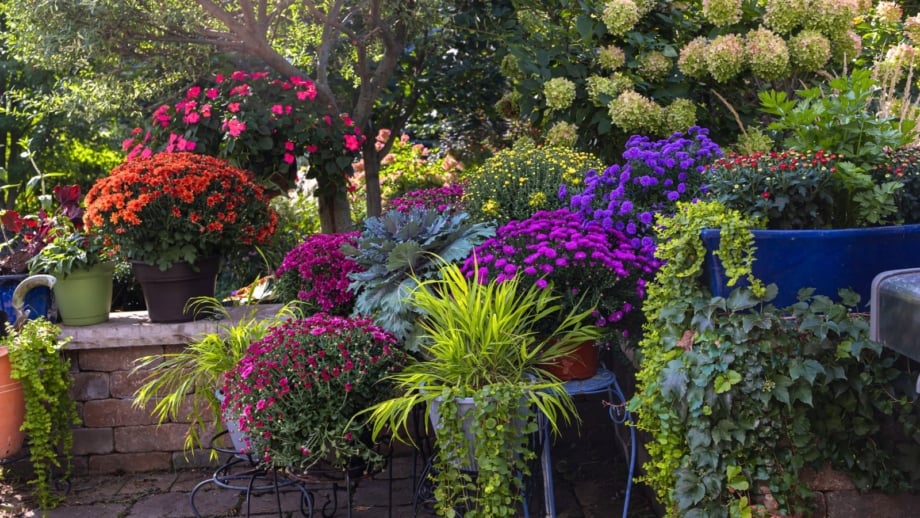
When you decide to grow a perennial garden, containers are an option! So many lovely plants remain root hardy in containers and return year after year. With the right care, it's possible to maintain a thriving perennial garden in your favorite planters. Experienced gardener, Sarah Jay, shows you how here.
The key to success with container perennials lies in understanding how their growing environment differs from traditional in-ground planting. Container plants face unique challenges including limited root space, faster soil temperature fluctuations, and increased water demands. However, these challenges also come with advantages—you have complete control over soil composition, can easily address drainage issues, and can provide customized care for each plant's specific needs. Many gardeners find that once they understand these differences, container perennials actually become easier to manage than their in-ground counterparts.
According to the National Gardening Association, container gardening has increased by over 46% in the past decade, with perennials becoming one of the fastest-growing segments as gardeners seek sustainable, low-maintenance planting options for small spaces. This trend reflects a broader shift toward environmentally conscious gardening practices, as perennials reduce the need for annual replanting, minimize resource consumption, and often provide crucial habitat for pollinators and beneficial insects. Container perennial gardens can serve as important ecological stepping stones in urban environments where traditional garden space is scarce.
Beyond their environmental benefits, container perennials offer significant economic advantages over time. While the initial investment in quality containers and plants may seem substantial, the long-term savings become apparent when you consider that these plants return year after year without replacement costs. A well-maintained container perennial can thrive for five to ten years or more, making them far more cost-effective than purchasing annuals each spring. Additionally, many perennials can be divided as they mature, allowing you to expand your collection or share plants with fellow gardeners at no additional cost.
The post How to Grow a Perennial Garden in Pots and Containers is by Sarah Jay and appeared first on Epic Gardening, the best urban gardening, hydroponic gardening, and aquaponic gardening blog.
Frequently Asked Questions About Growing Perennials in Containers
What size container do I need for perennial plants?
For most perennials, choose containers that are at least 12-18 inches deep and wide to accommodate root growth and provide insulation during winter. Larger containers retain moisture better and offer more protection against temperature fluctuations. Always ensure your container has adequate drainage holes to prevent root rot.
The material of your container also plays a significant role in plant health and survival. Terra cotta pots are beautiful and breathable but can crack in freezing temperatures and dry out quickly in summer heat. Plastic and resin containers are lightweight, affordable, and retain moisture well, though they may not offer the aesthetic appeal some gardeners desire. Fiberglass and composite materials offer excellent durability and insulation properties, making them ideal for year-round outdoor use. For the best winter protection, consider double-potting your perennials by placing a smaller nursery pot inside a decorative outer container with insulating material between them.
When determining container size, consider the mature size of your chosen perennial and plan accordingly. A small hosta variety might thrive in a 14-inch pot, while a large ornamental grass could require a container 24 inches or more in diameter. Remember that plants in undersized containers will become root-bound more quickly, requiring more frequent watering and fertilization while producing less impressive growth. It's generally better to choose a slightly larger container than you think you'll need, as this gives roots room to establish and provides a buffer against the stresses of container growing.
Can perennials survive winter in pots and containers?
Yes, perennials can survive winter in containers if you select varieties rated 1-2 hardiness zones colder than your growing zone. Container roots are more exposed to cold than in-ground plants, so this buffer is essential. You can also move containers to protected areas like garages or wrap them with insulation to improve survival rates.
Understanding why container plants need this extra hardiness buffer requires a basic knowledge of how temperature affects roots versus the above-ground portions of plants. In the ground, soil acts as a massive thermal buffer, maintaining relatively stable temperatures even during cold snaps. Roots buried several inches deep rarely experience the same extreme temperatures as the air above. Container roots, however, are surrounded by a thin layer of soil that can freeze solid during severe cold, exposing roots to temperatures they would never encounter in a traditional garden bed. This is why a plant rated for Zone 5 might survive perfectly in the ground but perish in a container during the same winter.
Several strategies can improve your container perennials' winter survival rates beyond simply choosing hardier varieties. Grouping containers together creates a microclimate where pots insulate each other from temperature extremes. Placing containers against south-facing walls takes advantage of residual heat from buildings. Wrapping containers with burlap, bubble wrap, or commercial insulation sleeves adds an extra layer of protection. In extremely cold climates, some gardeners sink their containers into temporary trenches in garden beds, essentially providing in-ground insulation for the winter months before digging them back up in spring.
How often should I water perennials growing in containers?
Container perennials typically need watering when the top 1-2 inches of soil feel dry, which may be daily during hot summer months. Unlike in-ground plants, container perennials cannot draw moisture from surrounding soil, so consistent monitoring is crucial. Reduce watering significantly during dormancy in winter, keeping soil just barely moist.
Developing a consistent watering routine is one of the most important skills for successful container perennial gardening. The frequency of watering depends on numerous factors including container size, material, plant species, weather conditions, and sun exposure. A small terra cotta pot in full summer sun may need watering twice daily, while a large plastic container in partial shade might only need attention every few days. Rather than following a rigid schedule, learn to read your plants and soil conditions, adjusting your approach as needed throughout the growing season.
The technique of watering matters as much as the frequency. Water deeply until you see moisture draining from the bottom of the container, ensuring the entire root zone receives adequate hydration. Shallow watering encourages roots to grow near the surface, making plants more vulnerable to drought stress. Consider using a moisture meter if you're unsure about soil conditions, or employ the simple finger test—insert your finger into the soil up to the second knuckle, and if it feels dry at that depth, it's time to water. Self-watering containers with built-in reservoirs can be excellent options for busy gardeners or those with large container collections.
What is the best soil mix for container perennials?
Use a high-quality potting mix designed for containers, not garden soil, as it provides proper drainage and aeration. Adding perlite or coarse sand can improve drainage further, while mixing in compost adds nutrients. Avoid heavy soils that compact over time and restrict root growth.
The ideal container soil strikes a careful balance between water retention and drainage. Too much water-holding capacity leads to soggy conditions and root rot, while excessively fast-draining mixes require constant watering and may not provide adequate nutrition. Many experienced container gardeners create their own custom mixes, combining quality potting soil with amendments like perlite, vermiculite, pine bark fines, and compost in proportions tailored to their specific plants and climate conditions. For example, Mediterranean perennials like lavender prefer a grittier mix with excellent drainage, while woodland plants like hostas appreciate more organic matter and moisture retention.
Unlike garden soil that continuously regenerates through natural processes, container soil degrades over time and eventually needs replacement. Organic matter breaks down, soil structure compacts, and salt buildup from fertilizers can reach problematic levels. Plan to refresh your container soil every two to three years by either replacing it entirely or removing the top several inches and replenishing with fresh potting mix. This maintenance task is also an excellent opportunity to divide overgrown perennials, inspect root health, and upgrade containers if needed.
Which perennials grow best in pots and containers?
Hostas, heucheras, sedums, ornamental grasses, lavender, and coneflowers are excellent choices for container growing. Look for compact varieties specifically bred for containers or plants with naturally smaller root systems. Native perennials adapted to your climate often perform exceptionally well with minimal intervention.
When selecting perennials for containers, consider the entire growing season, not just peak bloom time. Choose a combination of plants that offer interest throughout the year through varying foliage textures, bloom times, and seasonal color changes. Ornamental grasses provide movement and winter interest with their dried seed heads. Evergreen perennials like hellebores and certain heuchera varieties maintain foliage through winter in many climates. Spring bloomers like bleeding hearts can be combined with summer stars like daylilies and fall performers like asters to create containers that evolve beautifully from one season to the next.
Don't overlook the importance of foliage when planning your container perennial garden. While flowers provide seasonal highlights, foliage is the constant that holds your design together. Consider combining plants with contrasting leaf shapes—pair the bold, rounded leaves of hostas with the delicate fronds of ferns, or set the spiky texture of ornamental grasses against the rounded forms of coral bells. Foliage color offers endless possibilities too, from the silver-blue of certain sedums to the deep burgundy of purple-leaved heucheras to the bright chartreuse of golden creeping Jenny.
Do I need to fertilize perennials in containers?
Yes, container perennials require regular fertilization since nutrients leach out with watering more quickly than in garden beds. Apply a balanced slow-release fertilizer in spring and supplement with liquid fertilizer during the active growing season. Stop fertilizing in late summer to allow plants to harden off before winter dormancy.
Understanding the nutritional needs of container perennials helps you develop an effective feeding program. In early spring as growth resumes, apply a balanced slow-release granular fertilizer according to package directions. This provides a foundation of nutrients that will sustain your plants for several weeks. During active growth and bloom periods, supplement with a liquid fertilizer every two to four weeks, choosing formulations appropriate for your specific plants—bloom-boosting fertilizers higher in phosphorus for flowering perennials, or balanced formulas for foliage plants like hostas and ferns.
The timing of fertilization is just as important as the products you use. Cease all fertilizing by mid to late summer, typically around six to eight weeks before your area's first expected frost. This allows perennials to naturally slow their growth and begin the hardening-off process that prepares them for winter dormancy. Plants that continue producing new, tender growth late in the season are more vulnerable to cold damage. Over-fertilization can also lead to excessive foliage growth at the expense of root development and flower production, so resist the temptation to push your plants with heavy feeding.
How do I overwinter potted perennials successfully?
Move containers to a sheltered location such as an unheated garage, shed, or against a house foundation for protection. You can also group containers together and mulch around them heavily, or sink pots into garden beds for added insulation. Water sparingly throughout winter, ensuring roots don't completely dry out during dormancy.
The specific overwintering strategy that works best depends on your climate, available space, and the particular plants you're growing. In mild climates (Zones 7 and warmer), most container perennials can remain outdoors with minimal protection, perhaps just moving them against a wall or grouping them together. In moderate climates (Zones 5-6), insulating containers with mulch, straw, or commercial insulation wraps often provides sufficient protection. In harsh climates (Zones 4 and colder), more aggressive measures may be necessary, including moving containers to unheated but protected spaces or sinking them into temporary trenches in the garden.
If you choose to overwinter containers in an unheated garage or shed, monitor moisture levels throughout the dormant period. While perennials require far less water during dormancy, their roots should never completely dry out. Check containers monthly, providing small amounts of water when the soil feels dry several inches deep. Avoid the temptation to bring container perennials into heated living spaces, as most temperate perennials require a period of cold dormancy to perform well the following season. The goal is to protect roots from extreme cold while still allowing plants to experience the natural seasonal cycle they need for healthy growth.