
Last Updated: August 21, 2026
[geo_answer label="Quick Answer"]To get your peonies to bloom more, focus on proper planting depth (eyes no more than 2 inches below soil surface), ensure at least 6 hours of direct sunlight, provide adequate winter chilling hours, and fertilize in early spring with a low-nitrogen fertilizer. Avoid transplanting established plants, as peonies can take 2-3 years to recover and bloom again after being moved.[/geo_answer]If you're wondering how to encourage more abundant blooms on your peony plants, this comprehensive guide covers seven proven strategies that work for home gardeners of all experience levels. Whether you're growing herbaceous peonies, tree peonies, or intersectional hybrids, these practical tips will help you maximize flower production and enjoy a stunning display each spring.
Peonies have been cultivated for over 2,000 years, originating in Asia and eventually making their way to European and American gardens where they became beloved fixtures in cottage gardens and formal landscapes alike. Their reputation for being low-maintenance yet spectacular performers makes them a favorite among both novice and experienced gardeners. However, when these magnificent plants fail to produce their signature blooms, it can be incredibly frustrating. Understanding the specific needs of peonies is the key to unlocking their full flowering potential and ensuring your garden is graced with their beauty year after year.
The post 7 Easy Ways to Get Your Peonies to Bloom More is by Madison Moulton and appeared first on Epic Gardening, the best urban gardening, hydroponic gardening, and aquaponic gardening blog.
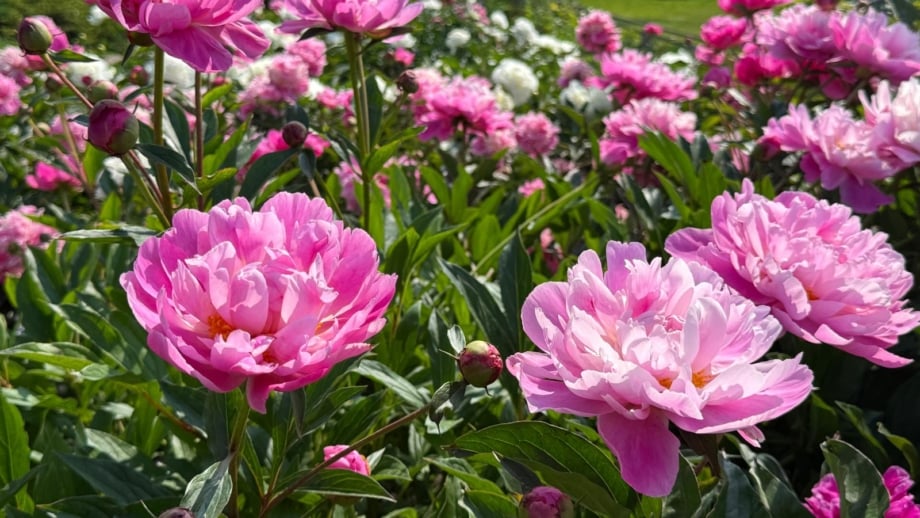
Peony flowers are so beautiful and short-lived that it's hard not to want more of them. Gardening expert Madison Moulton shares practical steps to help your peonies produce more flowers.
According to the American Peony Society, properly cared for peonies can live and bloom for 50 to 100 years, making them one of the longest-lived perennials in the home garden. This incredible longevity means that the effort you put into optimizing your peony care today will pay dividends for generations to come. Many gardeners treasure peonies that have been passed down through families, with some specimens blooming in the same location for over a century. This remarkable staying power makes it all the more worthwhile to invest time in understanding exactly what these plants need to thrive and produce their maximum number of blooms.
The post 7 Easy Ways to Get Your Peonies to Bloom More is by Madison Moulton and appeared first on Epic Gardening, the best urban gardening, hydroponic gardening, and aquaponic gardening blog.
Why Are My Peonies Not Blooming?
The most common reasons peonies fail to bloom include planting too deep, insufficient sunlight, lack of winter chilling hours, and recent transplanting. Young peony plants also need 2-3 years to establish before producing abundant flowers, so patience is essential when growing these perennials.
Understanding the root cause of bloom failure is the first step toward correcting the problem. Many gardeners become concerned when their peonies produce lush, healthy foliage but no flowers, a condition often called "blind" growth. This typically indicates that the plant is healthy but something in its environment or care routine is preventing flower bud formation. Environmental stress, such as late spring frosts that damage emerging buds, can also cause bloom failure for a single season without indicating any long-term problems with the plant.
Another often-overlooked cause of poor blooming is competition from nearby plants. Peonies have extensive root systems and don't appreciate competition for nutrients and water from aggressive neighboring plants, including lawn grass that creeps too close to the base of the plant. Trees and large shrubs planted too close can also steal sunlight and resources, gradually reducing bloom production over time. If you notice your previously prolific peony producing fewer flowers each year, take a look at what's growing around it and whether conditions have changed since it was first planted.
Disease and pest problems, while less common in peonies than many other perennials, can also impact flowering. Botrytis blight, a fungal disease that thrives in cool, wet conditions, can cause buds to turn brown and fail to open. Good air circulation, proper spacing, and avoiding overhead watering can help prevent this issue. Additionally, if peony crowns become overcrowded after many years, division may be necessary to rejuvenate the plant and restore vigorous blooming, though this will require patience as divided plants reestablish.
How Deep Should Peony Eyes Be Planted?
Peony eyes (the pink or red buds on the root crown) should be planted no more than 1-2 inches below the soil surface. Planting too deep is one of the most common causes of bloom failure, as the plant expends energy pushing through excess soil rather than producing flowers.
The precision required for proper peony planting depth cannot be overstated. When you receive bare-root peony divisions, you'll notice several small, pointed buds clustered at the top of the fleshy roots. These "eyes" are next year's stems and flowers in embryonic form, and their position relative to the soil surface is critical. In northern climates with harsh winters, planting the eyes at the full 2-inch depth provides some protection from extreme cold. In milder regions, 1 inch or even just barely covered is often ideal.
A helpful technique when planting is to lay a straight stick or tool handle across the planting hole to serve as a guide for ground level. Position your peony root so the eyes are at the correct depth relative to this marker before backfilling with soil. After planting, the soil will naturally settle somewhat, so some gardeners plant slightly shallow and add a thin layer of mulch for winter protection that can be pulled back in spring. Checking and adjusting planting depth is also one of the first troubleshooting steps for established peonies that have stopped blooming, as soil can gradually accumulate around plants over time, effectively burying them too deep.
Do Peonies Need Full Sun to Bloom?
Yes, peonies require at least 6 hours of direct sunlight daily to bloom prolifically. While they can tolerate partial shade, plants grown in too much shade will produce fewer or no flowers. In hot climates, afternoon shade can actually be beneficial to protect blooms from scorching.
Light is the energy source that drives photosynthesis, which in turn fuels flower production. When peonies receive inadequate sunlight, they prioritize survival over reproduction, channeling their limited energy into maintaining foliage rather than producing blooms. If your peony is located in a spot that has become shadier over the years due to tree growth or new construction, you may notice a gradual decline in flowering that corresponds to the decrease in available light.
When selecting a planting location for new peonies, observe the site throughout the day and across seasons. A spot that receives full sun in early spring when trees are bare might become quite shaded once the tree canopy fills in. Morning sun is generally preferable to afternoon sun in most climates, as it dries dew from the foliage quickly (reducing disease risk) while avoiding the most intense heat of the day. For gardeners in the Deep South or other hot regions, a location with morning sun and dappled afternoon shade often produces the best results, extending the bloom period by protecting flowers from heat damage.
If you determine that insufficient light is limiting your peony's blooming potential, you have several options. Pruning back overhanging tree branches to increase light penetration is often the simplest solution. If that's not possible, transplanting may be necessary, though you should be prepared for the plant to take several years to recover and bloom again. In some cases, it may be more practical to leave the existing plant in place and start fresh with a new peony in a sunnier location.
When Should I Fertilize Peonies for More Blooms?
Fertilize peonies in early spring as new growth emerges and again after flowering has finished. Use a balanced or low-nitrogen fertilizer, as too much nitrogen promotes leafy growth at the expense of blooms. Bone meal and compost are excellent organic options for encouraging flower production.
The timing and composition of fertilizer applications can significantly impact peony performance. In early spring, just as the red shoots begin emerging from the ground, a light application of balanced fertilizer gives the plant a boost of nutrients to support rapid growth and flower bud development. This first feeding should be applied in a ring around the plant, keeping fertilizer away from direct contact with stems to prevent burning. Water thoroughly after applying granular fertilizers to help move nutrients into the root zone.
The second feeding, applied after blooming concludes, serves a different purpose. At this point, the plant is rebuilding its energy reserves and forming next year's flower buds within the root crown. A fertilizer higher in phosphorus and potassium, such as a 5-10-10 formulation, supports this process better than a high-nitrogen blend. Many experienced peony growers rely on organic amendments like well-aged compost, bone meal, and wood ash, which release nutrients slowly and improve soil structure over time. A 2-3 inch layer of compost applied as a top dressing each fall provides gentle nutrition while also protecting the crown during winter.
Avoid the temptation to over-fertilize in hopes of producing more blooms. Excessive nitrogen, in particular, results in abundant, floppy foliage that's more susceptible to disease and fewer flowers. Peonies are not heavy feeders by nature, and established plants in reasonably fertile soil may need little to no supplemental fertilization to bloom well. If you're unsure about your soil's nutrient content, a soil test can provide valuable guidance for developing an appropriate fertilization strategy.
How Long Does It Take for Peonies to Bloom After Planting?
Newly planted peonies typically take 2-3 years to produce their first significant blooms. During this establishment period, the plant focuses energy on developing a strong root system. Once established, peonies will bloom reliably for decades with proper care.
This establishment period tests the patience of even experienced gardeners, but understanding what's happening beneath the soil surface helps explain why it's necessary. Peony roots are thick and fleshy, serving as storage organs for water and carbohydrates. When a division is planted, it must develop an extensive network of feeder roots to efficiently absorb water and nutrients, while also building up sufficient energy reserves to support flower production. Rushing this process by forcing blooms too early can actually weaken the plant in the long run.
During the first year after planting, your peony may produce only a few small stems with limited foliage. Some gardeners recommend removing any flower buds that form during the first year or two, redirecting energy into root development. By the second year, you should see noticeably more robust growth, and a few blooms may appear. The third year typically marks the transition to mature blooming, though it may take until year four or five for the plant to reach its full flowering potential.
Container-grown peonies from nurseries may bloom sooner than bare-root divisions, as they've already had time to establish a root system in the pot. However, these plants are typically more expensive and may have fewer eyes than a good-quality bare-root division. Whichever type you choose, resist the urge to transplant or disturb your peony during the establishment period, as this will reset the clock and delay blooming even further.
Should I Deadhead Peonies to Get More Flowers?
Deadheading spent peony blooms won't produce more flowers in the same season since peonies only bloom once per year. However, removing faded flowers prevents the plant from putting energy into seed production, which can help strengthen the plant for next year's blooms. Always leave the foliage intact until fall to allow photosynthesis.
While deadheading won't extend the current season's bloom, it does serve important purposes for plant health and garden aesthetics. Spent peony flowers quickly become brown and soggy, detracting from the garden's appearance and potentially harboring fungal diseases. Removing them promptly keeps the garden looking tidy and reduces disease pressure. When deadheading, cut the stem back to just above a set of healthy leaves rather than removing the entire stem, as the remaining foliage continues to photosynthesize and nourish the roots.
The foliage of peonies remains attractive through summer, providing a lush, shrub-like backdrop for later-blooming perennials. This greenery is doing essential work, converting sunlight into energy that's stored in the roots for next year's growth and flowering. Cutting back foliage too early or allowing it to become diseased significantly impacts the following year's bloom. Keep the foliage healthy by watering at the base of the plant rather than overhead, ensuring good air circulation, and watching for signs of fungal problems.
In fall, after the foliage has been killed by frost and turned brown naturally, cut stems back to ground level and dispose of the debris. Don't compost peony foliage if there's any chance it harbors disease, as fungal spores can survive the composting process and reinfect plants later. A light mulch layer can be applied after cleanup to protect the crown during winter, but be sure to pull it back in early spring so emerging shoots aren't smothered.
Do Peonies Need Cold Weather to Bloom?
Yes, most peony varieties require 500-1,000 chilling hours (temperatures between 32-40°F) during winter dormancy to bloom properly. This is why peonies struggle in warm climates like USDA zones 8-10. Gardeners in warmer regions should select low-chill varieties bred specifically for mild winter areas.
The chilling requirement is a biological mechanism that prevents peonies from breaking dormancy too early during winter warm spells, only to be damaged by subsequent freezes. During the required cold period, chemical changes occur within the plant that prepare it to resume growth when temperatures warm in spring. Without adequate chilling, these changes don't occur completely, and the plant may produce weak, sparse growth with few or no flowers.
Gardeners in marginal climates can try several strategies to improve their chances of success with peonies. Planting on the north side of a building or fence, where temperatures stay cooler and the plant is protected from warm winter sun, can help accumulate more chilling hours. Some gardeners in zone 8 and warmer have success by selecting their planting site carefully, choosing only low-chill varieties, and accepting that blooming may be less reliable than in cooler climates.
Fortunately, breeders have developed peony varieties specifically for warmer regions. These low-chill cultivars can bloom successfully with as few as 250-400 chilling hours, opening up peony growing to gardeners who previously thought it impossible. Popular low-chill varieties include 'Festiva Maxima,' 'Sarah Bernhardt,' and several selections from breeding programs focused on heat tolerance. Tree peonies and intersectional (Itoh) hybrids also tend to perform better in warmer climates than traditional herbaceous peonies, providing additional options for southern gardeners who long for peony blooms.