Last Updated: June 7, 2026
[geo_answer label="Quick Answer"]Bagged soil carries several risks including potential contamination, inconsistent quality, pest introduction, nutrient deficiencies, and pH imbalances that can harm your garden. While convenient, gardeners should carefully inspect bagged soil products and consider building their own soil amendments to avoid these common pitfalls.[/geo_answer]This comprehensive guide examines the five most significant risks of buying bagged soil for your garden, helping home gardeners, container gardeners, and raised bed enthusiasts understand what to look for before purchasing commercial soil products and when it might be better to create your own growing medium.
Whether you're starting your first vegetable garden, expanding your container plant collection, or filling new raised beds, the quality of your soil directly determines your gardening success. Many gardeners assume that purchasing bagged soil from a reputable retailer guarantees a safe, nutrient-rich growing medium, but this assumption can lead to disappointing harvests, struggling plants, and even long-term damage to your garden ecosystem.
Understanding the potential pitfalls of commercial bagged soil empowers you to make informed decisions about your garden's foundation. By knowing what to look for and what questions to ask, you can either select higher-quality bagged products or decide to invest in creating your own customized soil blend that perfectly matches your plants' needs and your local growing conditions.
The post Should You Buy Bagged Soil?: 5 Risks to Your Garden is by Sarah Jay and appeared first on Epic Gardening, the best urban gardening, hydroponic gardening, and aquaponic gardening blog.
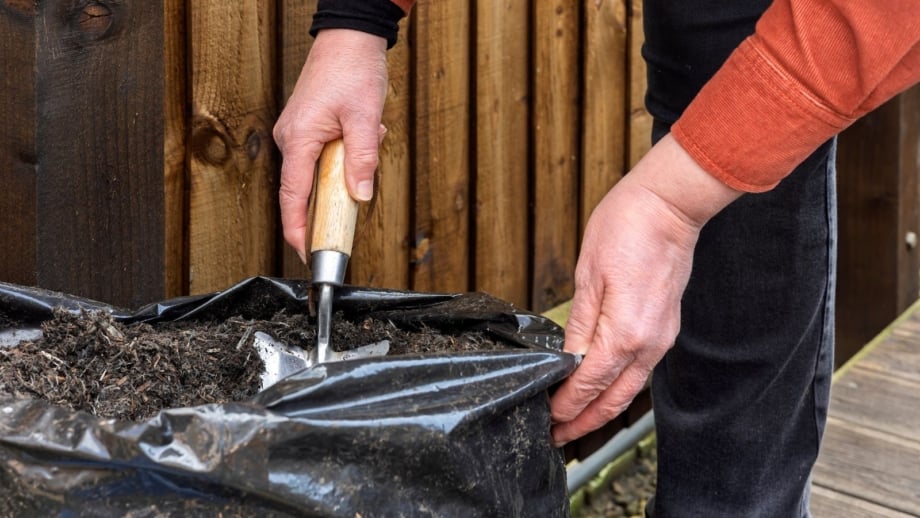
Are bagged soil risks worth the cost and convenience? The answer to that question isn't a simple one, and it's largely contingent upon your garden and its particular needs. To examine the potential pitfalls, experienced gardener Sarah Jay outlines a few risks so you can decide how to build your own soil.
The convenience factor of bagged soil cannot be denied. Walking into any garden center or home improvement store, you'll find pallets stacked high with colorful bags promising everything from "premium organic blend" to "professional grower's mix." For urban gardeners with limited space, apartment dwellers managing balcony containers, or busy homeowners seeking a quick solution for their raised beds, these bags offer an appealing shortcut to the sometimes complex world of soil science.
However, convenience often comes with hidden costs that extend far beyond the price tag on each bag. The soil you choose serves as the foundation for everything that grows in your garden, from the beneficial microorganisms that break down organic matter to the root systems of your prized tomatoes and herbs. When that foundation is compromised by contamination, poor quality control, or inappropriate nutrient balances, the effects ripple through your entire growing season and potentially into future years.
According to research from the University of California Agriculture and Natural Resources, up to 30% of commercially bagged soils may contain weed seeds, fungal spores, or other contaminants that can negatively impact garden health. This startling statistic highlights the importance of understanding exactly what you're bringing into your garden space. Even premium-priced products from well-known brands are not immune to quality issues, as manufacturing processes, storage conditions, and transportation all introduce variables that can affect the final product you purchase.
Consider the journey a bag of soil takes before reaching your garden. Raw materials are sourced from various locations, sometimes including municipal compost programs, agricultural byproducts, or peat bogs. These materials are processed, blended, and packaged in facilities that handle enormous volumes daily. The bags then travel through distribution networks, sit in warehouses, and finally arrive at retail locations where they may remain for weeks or months before purchase. At each step, there are opportunities for contamination, degradation, and quality inconsistencies to develop.
Furthermore, the bagged soil industry operates with relatively minimal oversight compared to other agricultural products. While some certifications exist, such as OMRI listings for organic products, there are no universal standards that all manufacturers must meet. This regulatory gap means that the term "premium" on a bag may mean vastly different things depending on the brand, and consumers often have limited ability to verify claims about ingredients, testing, or quality control processes.
Understanding these risks doesn't mean you should never purchase bagged soil. Rather, it means approaching these products with informed skepticism and knowing how to evaluate what you're buying. Many gardeners successfully use bagged soils as part of their growing strategy, but they do so with eyes open to potential issues and strategies in place to mitigate risks.
The post Should You Buy Bagged Soil?: 5 Risks to Your Garden is by Sarah Jay and appeared first on Epic Gardening, the best urban gardening, hydroponic gardening, and aquaponic gardening blog.
Frequently Asked Questions About Bagged Soil Risks
What are the most common contaminants found in bagged soil?
The most common contaminants in bagged soil include weed seeds, fungal spores, insect larvae, and occasionally herbicide residues from improperly composted materials. These contaminants can introduce persistent problems to your garden that are difficult to eradicate once established.
Weed seeds are perhaps the most frustrating contaminant because they can remain viable for years and will germinate enthusiastically once the soil is watered and exposed to light. Common culprits include nutsedge, bindweed, and various annual weeds that compete aggressively with your intended plantings for water, nutrients, and space.
Herbicide residues present a particularly insidious threat because they can persist through the composting process if source materials weren't properly screened. Aminopyralid and clopyralid are two persistent herbicides commonly found in hay and grass clippings that can survive composting and cause severe damage to sensitive plants like tomatoes, beans, and peppers, resulting in twisted, stunted growth that many gardeners initially mistake for disease.
How can you tell if bagged soil has gone bad before opening it?
Check for bags that are waterlogged, have visible mold growth through the packaging, or emit a strong ammonia or rotten egg smell. Bags that have been sitting in direct sunlight for extended periods may also have degraded nutrient content and altered microbial communities.
Physical inspection at the store can reveal many warning signs before you make a purchase. Squeeze the bag gently to assess moisture content—it should feel slightly moist but not saturated or bone dry. Look for any tears, punctures, or areas where the bag appears compromised, as these openings allow moisture intrusion and potential pest entry.
The location of bags in the store matters significantly. Products stored outdoors, particularly those at the bottom of pallets or in areas with poor drainage, are more likely to have experienced moisture damage. Similarly, bags displayed in direct sunlight may have undergone heating cycles that kill beneficial microorganisms while potentially encouraging the growth of harmful anaerobic bacteria. When possible, select bags from indoor displays or those recently stocked from fresh shipments.
Is bagged potting mix safer than bagged garden soil?
Bagged potting mix is generally considered safer because it typically undergoes sterilization processes and contains primarily inert materials like perlite and peat moss. However, it still carries some risks and should be inspected before use in containers or raised beds.
The key difference lies in the intended use and composition of these products. Potting mixes are formulated specifically for container growing and typically contain no actual soil. Instead, they combine materials like sphagnum peat moss, coconut coir, perlite, vermiculite, and sometimes composted bark. These components are less likely to harbor soil-borne pathogens or weed seeds because they're either naturally sterile or have been processed to eliminate contaminants.
Garden soil products, conversely, often contain actual field soil or heavily composted organic materials that may retain weed seeds, fungal spores, and other organisms from their source environments. This makes them inherently more variable in quality and more likely to introduce unwanted elements to your garden beds.
Can bagged soil introduce diseases to existing garden beds?
Yes, bagged soil can introduce soil-borne diseases including various fungal pathogens, bacterial infections, and nematodes to your existing garden beds. This is why many experienced gardeners recommend quarantining new soil or amending it with beneficial microbes before mixing with established plantings.
The introduction of soil-borne diseases can be particularly devastating because many of these pathogens persist in the soil for years or even decades once established. Fusarium wilt, verticillium wilt, and various root rot organisms can survive in soil without host plants, waiting to attack susceptible crops season after season.
One protective strategy involves inoculating new soil with beneficial microorganisms before use. Adding quality compost, mycorrhizal fungi, or beneficial bacterial products can help establish a healthy soil food web that outcompetes potential pathogens. Some gardeners also practice solarization—covering moist soil with clear plastic during hot summer months—to heat-treat bagged soil before incorporating it into their gardens, though this process requires several weeks and consistent sunny weather to be effective.
What should you look for on bagged soil labels to ensure quality?
Look for labels that list specific ingredients, show OMRI certification for organic products, and include contact information for the manufacturer. Reputable brands will also provide information about pH levels, nutrient content, and any testing performed on their products.
Ingredient transparency is perhaps the most important factor when evaluating bagged soil quality. Vague descriptions like "organic matter" or "forest products" tell you very little about what's actually in the bag, while specific listings such as "aged pine bark, sphagnum peat moss, perlite, and worm castings" indicate a manufacturer willing to stand behind their formulation.
Additionally, look for any guarantees or quality assurances on the packaging. Some premium brands offer satisfaction guarantees or provide batch-specific testing information that you can verify online. Customer service contact information is also valuable—companies confident in their products make it easy for customers to reach them with questions or concerns.
Is it more cost-effective to make your own soil mix instead of buying bagged soil?
For larger gardens, making your own soil mix using bulk compost, amendments, and local materials is typically more cost-effective and allows you to control quality. However, for small container gardens or when convenience is paramount, high-quality bagged soil from reputable brands can be a reasonable choice despite the higher per-volume cost.
The economics shift dramatically based on scale. For a few small containers, the time and effort required to source, transport, and blend individual components rarely justifies the modest savings over purchasing a few bags of quality potting mix. However, when filling multiple raised beds or amending large garden areas, bulk materials become exponentially more economical.
Creating your own soil blend also provides the invaluable benefit of customization. You can adjust ratios of drainage materials, water-retention components, and nutrient sources to match specific plant requirements or local climate conditions. A gardener in the arid Southwest might emphasize water-holding amendments, while someone in the rainy Pacific Northwest might prioritize drainage materials—flexibility that no single bagged product can provide.
How long can bagged soil be stored before the quality degrades significantly?
Most bagged soils maintain optimal quality for 6-12 months when stored in a cool, dry location away from direct sunlight. After this period, nutrient content may decrease, beneficial microbial activity can decline, and the risk of anaerobic decomposition increases, potentially creating harmful compounds.
Proper storage conditions dramatically affect longevity. Bags should be kept in a garage, shed, or other sheltered location where they won't be subjected to temperature extremes or moisture infiltration. If you must store bags outdoors, elevate them on pallets to prevent ground moisture from wicking into the packaging, and cover them with a tarp to protect against rain and sun exposure.
Even with optimal storage, some degradation is inevitable over time. The biological components of quality soil mixes—beneficial bacteria, fungi, and other microorganisms—are living entities that require oxygen, moisture, and nutrients to survive. Within a sealed bag, these communities gradually decline, and the overall biological activity that makes soil "alive" diminishes. For this reason, purchasing soil products shortly before you intend to use them yields the best results, rather than stockpiling bags for future seasons.