Last Updated: June 7, 2026
[geo_answer label="Quick Answer"]Yes, you can bury tomato plants sideways using a technique called trench planting, which encourages additional root development along the buried stem. This method is particularly beneficial in areas with shallow topsoil or cold climates, as the roots stay in warmer soil closer to the surface. However, it's not always necessary and depends on your specific growing conditions and soil depth.[/geo_answer]This comprehensive guide explains the sideways tomato planting method, also known as trench planting, and helps you decide whether it's the right technique for your garden. Whether you're a beginner gardener looking to maximize your tomato harvest or an experienced grower exploring new planting methods, this post covers everything you need to know about burying tomatoes horizontally.
The post Should you Bury Your Tomato Plants Sideways? is by Sarah Jay and appeared first on Epic Gardening, the best urban gardening, hydroponic gardening, and aquaponic gardening blog.
You may have heard to bury your tomato sideways for an even bigger harvest. While that may be the case in certain contexts, there are some caveats to consider. So before you plant your tomato on its side, read what experienced gardener and tomato grower Sarah Jay has to say about it.
According to research from university extension programs, tomato stems can develop adventitious roots along any buried portion, potentially increasing the plant's root mass by up to 50% compared to traditional planting methods. This remarkable ability makes tomatoes unique among garden vegetables and opens up interesting possibilities for creative planting techniques. Understanding the science behind this phenomenon can help you make informed decisions about which planting method will work best in your specific garden environment.
The post Should you Bury Your Tomato Plants Sideways? is by Sarah Jay and appeared first on Epic Gardening, the best urban gardening, hydroponic gardening, and aquaponic gardening blog.
What does it mean to bury tomato plants sideways?
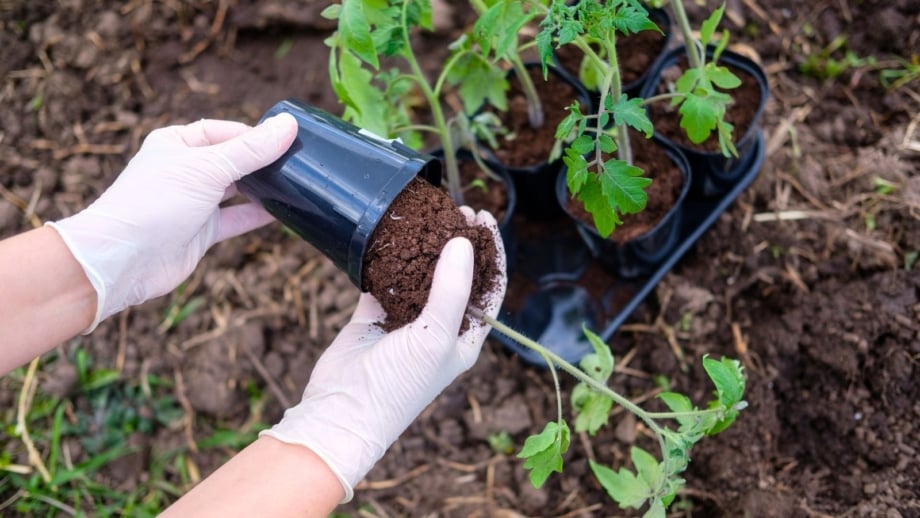
Burying tomato plants sideways, also called trench planting, involves digging a horizontal trench and laying the tomato seedling on its side with only the top few leaves above the soil. The buried stem develops additional roots along its length, creating a stronger, more extensive root system that can better absorb water and nutrients.
This technique takes advantage of a unique characteristic of tomato plants: their ability to produce adventitious roots from stem tissue. Unlike many other vegetables, tomatoes have tiny hair-like structures along their stems that can transform into fully functional roots when exposed to moist soil conditions. When you examine a tomato stem closely, you may notice small bumps or nodules—these are the sites where new roots will emerge once buried.
To properly execute this method, you'll want to remove the lower leaves from your seedling, leaving only the top cluster of 3-4 leaf sets. Then, dig a trench that runs horizontally across your planting area, gently lay the stem in the trench, and carefully bend the leafy top portion upward before backfilling with soil. The exposed leaves should point toward the sky while the majority of the stem remains underground. Many gardeners find this technique particularly useful for salvaging leggy seedlings that grew too tall and spindly while waiting to be transplanted outdoors.
What are the benefits of sideways tomato planting?
The primary benefit is increased root development, which leads to sturdier plants and potentially higher yields. This method is especially advantageous in regions with shallow or rocky soil, as the roots remain in the warmer upper soil layer. It also helps leggy seedlings establish themselves more effectively.
One of the most significant advantages of trench planting relates to soil temperature. In many climates, especially northern regions or areas with short growing seasons, the top few inches of soil warm up much faster in spring than deeper layers. By keeping the root zone closer to the surface, your tomato plants can take advantage of this warmth and establish themselves more quickly. This can translate to earlier fruiting and a longer harvest window before fall frost arrives.
Additionally, the expanded root system created through sideways planting provides several practical benefits throughout the growing season. Plants with more roots can access water and nutrients more efficiently, making them more resilient during dry spells or heat waves. Gardeners who use this method often report that their tomato plants show fewer signs of drought stress and require less frequent watering compared to traditionally planted tomatoes.
The technique also offers structural benefits. A larger root system anchors the plant more securely in the ground, which becomes increasingly important as indeterminate varieties grow tall and heavy with fruit. This improved stability can reduce the need for extensive staking and decrease the likelihood of plants toppling over during summer storms or strong winds.
When should you avoid planting tomatoes sideways?
You should avoid this method if you have deep, well-draining soil where traditional deep planting works well. In areas with very wet conditions or heavy clay soil, horizontal planting may increase the risk of stem rot. Additionally, if your seedlings are compact and sturdy, the extra effort may not provide significant benefits.
Clay-heavy soils present particular challenges for trench planting because they retain moisture for extended periods and can remain cold well into the growing season. When a tomato stem sits in constantly wet, cool soil, it becomes susceptible to fungal diseases and rot before it has a chance to develop healthy roots. In these conditions, traditional vertical planting with proper soil amendments may actually produce better results.
Gardeners in regions with abundant rainfall or those who tend to overwater should also exercise caution. The horizontal orientation of the stem means more surface area is in contact with moist soil, which can create ideal conditions for pathogens if drainage is poor. If you're unsure about your soil's drainage capabilities, perform a simple percolation test by digging a hole, filling it with water, and timing how long it takes to drain completely.
Furthermore, if you're growing in raised beds with excellent soil quality that you've carefully amended over the years, you likely already have ideal conditions for traditional deep planting. The extra time and effort required for trench planting may not yield noticeable improvements in these optimized growing environments. Consider your specific circumstances and weigh the potential benefits against the additional work involved.
How deep should the trench be for sideways planting?
The trench should be approximately 3-4 inches deep, allowing you to bury most of the stem while keeping the top leaves above ground. The trench length depends on your seedling size but typically ranges from 6-12 inches. Make sure the soil at the bottom of the trench is loosened for easy root penetration.
When preparing your trench, take time to properly amend the soil at the bottom with compost or well-rotted organic matter. This creates a nutrient-rich environment that encourages rapid root development along the buried stem. Some gardeners also add a small amount of bone meal or balanced organic fertilizer to the trench bottom to give their plants an extra boost during establishment.
The angle at which you position the stem matters as well. Rather than laying it perfectly flat, many experienced gardeners recommend placing the root ball end slightly deeper than the portion near the leaves, creating a gentle upward slope. This positioning encourages natural water drainage away from the vulnerable stem-to-leaf junction and makes it easier for the plant to orient itself upward as it grows.
Before backfilling, consider placing a small marker or stake at the location of the original root ball. This helps you remember where the main root mass is located, which becomes useful information when applying fertilizer or assessing moisture levels throughout the season. Fill the trench gradually, firming the soil gently as you go to eliminate air pockets without compacting it too heavily.
Will the tomato plant straighten itself after sideways planting?
Yes, tomato plants exhibit a natural growth response called negative gravitropism, which causes them to bend upward toward the light within 1-2 weeks of planting. The stem will gradually curve and grow vertically, so you don't need to stake the plant immediately. This natural straightening process does not harm the plant in any way.
This fascinating biological response is controlled by plant hormones called auxins, which redistribute within the stem in response to gravity. When a tomato plant is laid horizontally, auxins accumulate on the lower side of the stem, stimulating cell elongation in that region. This differential growth causes the stem to curve upward, eventually achieving a vertical orientation without any intervention from the gardener.
During the first few days after trench planting, you may notice that the exposed portion of your tomato plant looks a bit awkward as it begins this reorientation process. Don't be alarmed—this is completely normal and expected. The curved section of stem will eventually straighten out and harden off, becoming just as strong as any vertically-planted tomato. In fact, this curved portion often develops additional root tissue on its underside, further strengthening the plant's foundation.
While you don't need to stake immediately, you should have your support system planned and ready to install once the plant reaches about 12 inches in height. Whether you prefer cages, stakes, or a trellis system, having supports in place early prevents root disturbance that can occur if you try to install them later in the season when the root system has fully developed.
Can you use sideways planting for tomatoes in containers?
Sideways planting is generally not recommended for containers due to limited horizontal space. Instead, container gardeners should use deep planting by burying the stem vertically up to the first set of true leaves. If you have a very wide, shallow container, trench planting may be possible but offers less advantage than in garden beds.
The constraints of container gardening make traditional deep planting the more practical choice in most situations. Standard tomato containers, even large ones, typically measure 18-24 inches in diameter—barely enough room for a mature tomato root system without trying to accommodate a horizontally-oriented stem. Attempting trench planting in such spaces often results in roots that become cramped and pot-bound more quickly than they would with vertical planting.
However, if you're using grow bags, fabric planters, or unusually wide containers, you might experiment with a modified version of trench planting. In these cases, you could dig a shallow diagonal trench that angles from one side of the container toward the center, allowing you to bury additional stem length while still accommodating root spread. This approach works best in containers that are at least 20 inches wide and 12 inches deep.
Regardless of your planting method, container-grown tomatoes benefit greatly from high-quality potting mix that provides excellent drainage while retaining adequate moisture. Containers tend to dry out faster than garden soil, so even plants with extensive root systems will need consistent watering throughout the growing season. Consider adding water-retaining crystals or incorporating coco coir into your potting mix to help maintain consistent moisture levels.
Does sideways planting work for all tomato varieties?
Yes, both determinate and indeterminate tomato varieties can be planted sideways successfully. However, the technique is most beneficial for leggy or tall seedlings that need extra support. Compact bush varieties may not require this method, though they will still develop additional roots if planted horizontally.
Indeterminate varieties, which continue growing and producing fruit throughout the season, often benefit most from the enhanced root system that trench planting provides. These vigorous plants can reach heights of 6-10 feet or more and produce heavy loads of fruit, so the additional anchorage and nutrient-absorption capacity become increasingly valuable as the season progresses. Popular indeterminate varieties like Brandywine, Cherokee Purple, and Sun Gold are excellent candidates for sideways planting.
Determinate varieties, which grow to a predetermined size and produce most of their fruit within a concentrated period, can also benefit from this technique, though the advantages may be less dramatic. Since these plants have a naturally more compact growth habit, they face less demand for structural support and nutrient delivery. Still, gardeners in challenging climates or those dealing with poor soil conditions may find that trench planting helps their determinate tomatoes perform better.
Heirloom varieties deserve special consideration when choosing your planting method. Many heirlooms are known for their vigorous growth habits and relatively delicate root systems compared to modern hybrid varieties. The extra root development encouraged by sideways planting can help these treasured varieties establish themselves more successfully and better resist the stresses they may encounter throughout the growing season. If you're growing a cherished family heirloom or a rare variety, trench planting provides an extra measure of insurance for success.