Last Updated: June 7, 2026
[geo_answer label="Quick Answer"]You can protect your garden from rabbits without harming them by using physical barriers like hardware cloth fencing, planting rabbit-resistant varieties, and employing natural deterrents such as strong-scented herbs. These humane methods allow gardeners to coexist peacefully with wild rabbits while still enjoying a productive harvest.[/geo_answer]This comprehensive guide covers proven, cruelty-free methods for protecting your garden from rabbit damage, including physical barriers, plant selection strategies, and natural deterrents. Whether you're a home gardener dealing with occasional nibbling or facing persistent rabbit pressure on your crops, you'll find practical solutions that respect wildlife while safeguarding your harvest. Understanding rabbit behavior and implementing multiple protective strategies will give you the best chance of maintaining a thriving garden while living harmoniously with these common backyard visitors.
The post Rabbits in the Garden: How to Protect Your Crops Without Cruelty is by Sarah Jay and appeared first on Epic Gardening, the best urban gardening, hydroponic gardening, and aquaponic gardening blog.
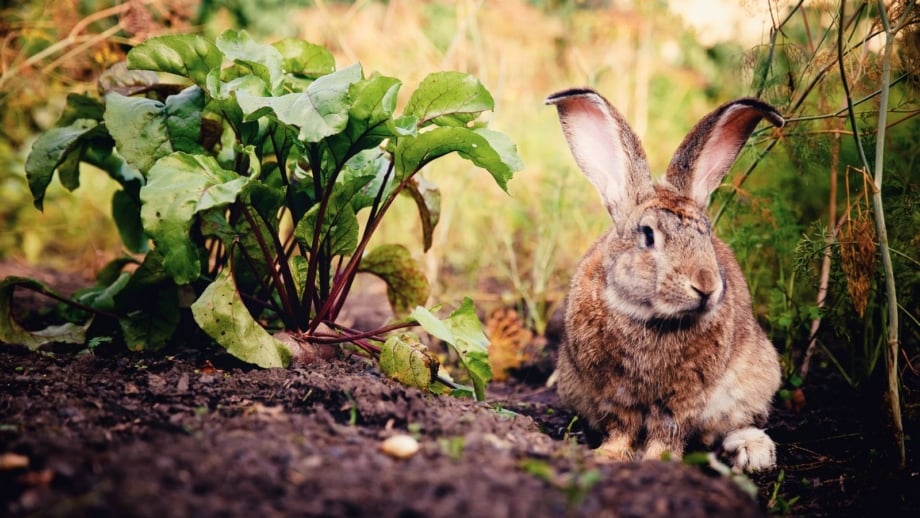
You can garden with rabbits cruelty-free, and all it takes is a little planning and intention. There are rabbit-resistant plants, covers, and modes for doing it that don't require a ton of effort. Experienced gardener and master naturalist Sarah Jay covers a few ways you can grow with rabbits nearby. The key is understanding that rabbits aren't trying to destroy your garden out of spite—they're simply following their natural instincts to find food and shelter. Once you accept this reality, you can implement strategies that work with nature rather than against it.
According to the Humane Society of the United States, wild rabbit populations have adapted remarkably well to suburban environments, making humane coexistence strategies essential for modern gardeners who want to protect both their crops and local wildlife. Cottontail rabbits, the most common species encountered in North American gardens, can produce multiple litters per year with four to eight babies each, which explains why rabbit populations can seem to explode overnight in favorable conditions. Understanding their breeding cycles and feeding patterns helps you anticipate when your garden might face the most pressure and prepare accordingly.
The post Rabbits in the Garden: How to Protect Your Crops Without Cruelty is by Sarah Jay and appeared first on Epic Gardening, the best urban gardening, hydroponic gardening, and aquaponic gardening blog.
What is the most effective humane way to keep rabbits out of my garden?
The most effective humane method is installing a physical barrier using hardware cloth or chicken wire fencing that extends at least 2-3 feet above ground and 6 inches below ground to prevent digging. This creates a reliable, long-term solution that doesn't harm rabbits while completely protecting your crops. Combining fencing with rabbit-resistant plantings around the perimeter increases effectiveness. When selecting materials, opt for galvanized hardware cloth with a mesh size no larger than one inch, as baby rabbits can squeeze through surprisingly small openings that adult rabbits cannot.
The initial investment in quality fencing materials pays dividends over many growing seasons, making it far more cost-effective than repeatedly replacing damaged plants or purchasing commercial repellents. For raised bed gardens, you can create individual cages or covers that fit over specific beds, allowing easy access for maintenance while keeping rabbits out. Some gardeners prefer this modular approach because it allows them to protect their most vulnerable crops while leaving less appealing plants uncovered. Consider using PVC hoops covered with hardware cloth to create tunnel-style covers that are easy to lift for harvesting and watering.
Which plants do rabbits typically avoid eating?
Rabbits generally avoid plants with strong scents, fuzzy or prickly textures, and toxic properties, including lavender, rosemary, sage, marigolds, and most ornamental grasses. They also tend to leave alone plants in the allium family such as onions, garlic, and chives. However, hungry rabbits may sample almost anything, so combining plant selection with other deterrent methods provides the best protection. Incorporating these resistant varieties throughout your garden creates natural barriers that can redirect rabbit activity away from more vulnerable crops.
Beyond the commonly mentioned herbs, consider planting yarrow, catmint, salvia, bee balm, and Russian sage as attractive additions that rabbits typically ignore. Vegetables that often escape rabbit attention include asparagus, potatoes, tomatoes, peppers, and squash family members with their prickly stems and leaves. For a strategic approach, plant a border of rabbit-resistant species around the perimeter of your garden beds to create a natural deterrent zone. This technique, sometimes called companion planting for pest management, can significantly reduce the likelihood of rabbits venturing deeper into your garden to reach their favorite treats like lettuce, beans, and tender young seedlings.
Do natural rabbit repellents actually work?
Natural repellents like blood meal, garlic spray, and predator urine can be moderately effective but typically require frequent reapplication, especially after rain. Their effectiveness varies based on rabbit hunger levels and local population pressure. For best results, use natural repellents as part of a layered approach that includes physical barriers and strategic planting. Many gardeners find that rotating between different repellent types prevents rabbits from becoming accustomed to any single deterrent.
Homemade repellent sprays can be created using ingredients like hot pepper flakes, raw eggs, and dish soap mixed with water. Apply these solutions to plant foliage every few days and after any rainfall to maintain their deterrent effect. Commercial products containing putrescent egg solids or capsaicin have shown reasonable effectiveness in research trials, though results vary depending on local conditions. Another natural approach involves spreading used coffee grounds, human hair clippings from a barbershop, or Irish Spring soap shavings around garden beds—while anecdotal, many gardeners report success with these methods. Keep in mind that what works in one garden may not work in another, so experimentation is often necessary to find the right combination for your specific situation.
How can I tell if rabbits are causing damage in my garden?
Rabbit damage is characterized by clean, angled cuts on stems and leaves, typically at ground level to about 2-3 feet high. You may also notice small, round droppings scattered nearby and tracks showing four-toed front prints and larger elongated hind prints. Rabbits tend to feed during dawn and dusk hours, so morning inspections often reveal fresh damage. Unlike deer damage, which appears as ragged tears due to their lack of upper front teeth, rabbit damage looks precisely snipped as if cut with scissors.
Learning to distinguish rabbit damage from other garden pests helps you implement the right control strategies. Groundhogs create similar clean cuts but typically target plants at higher levels and leave larger, more oval-shaped droppings. Deer damage usually occurs higher on plants and shows that characteristic torn appearance. Look for rabbit fur caught on fencing or branches, worn paths in the grass leading to your garden, and small depressions in mulch where rabbits may have been resting. During winter months, rabbits often gnaw bark from the base of young trees and shrubs, creating distinctive marks that can girdle and kill woody plants if left unchecked. Installing tree guards or wrapping trunks with hardware cloth in fall protects vulnerable landscape plants from this type of winter damage.
Is it legal to trap and relocate rabbits from my garden?
Trapping and relocating wildlife regulations vary significantly by location, and many areas require permits or prohibit relocation entirely due to disease transmission concerns and low survival rates for relocated animals. Contact your local wildlife management agency before attempting any trapping. Humane exclusion methods are generally more effective and legally straightforward than relocation. In many states, cottontail rabbits are classified as game animals with specific hunting seasons, which may affect your options for managing them on your property.
Beyond legal considerations, relocation often fails as a long-term solution because new rabbits quickly move into vacated territories. Studies have shown that relocated rabbits face high mortality rates due to stress, unfamiliarity with new food sources and hiding spots, and competition with established rabbit populations. The resources spent on trapping and relocating are often better invested in permanent exclusion measures that address the root of the problem. If you're dealing with severe rabbit pressure that seems beyond normal management, consider consulting with your local agricultural extension office or a licensed wildlife control professional who can assess your specific situation and recommend appropriate, legal solutions tailored to your region.
Will having a dog or cat help keep rabbits away from my garden?
Pets can serve as effective rabbit deterrents, as their scent and presence naturally discourage rabbits from settling in an area. However, this method is inconsistent since rabbits quickly learn pet schedules and may feed when pets are indoors. For reliable protection, combine pet presence with physical barriers rather than relying solely on animal deterrence. Dogs with high prey drives, such as terriers and beagles, tend to be more effective at discouraging rabbits than more laid-back breeds.
If you do use pets as part of your rabbit management strategy, allow them supervised access to garden areas during peak rabbit activity times at dawn and dusk. The scent marking that dogs naturally perform around the yard creates territorial boundaries that rabbits prefer to avoid. Some gardeners collect pet fur during grooming sessions and scatter it around garden beds as a supplementary deterrent. However, it's important to consider your pet's safety as well—ensure they cannot access any areas where you've applied repellents that might be harmful if ingested. Also, remember that while cats may hunt rabbits, they can also cause significant damage to bird populations and other beneficial wildlife, so weigh the ecological trade-offs before encouraging predatory behavior. A motion-activated sprinkler system can provide some of the same startling effect as a vigilant pet without the inconsistency of relying on animal behavior.
How deep should I bury fencing to prevent rabbits from digging under?
Bury fencing at least 6-10 inches below the soil surface, angling the buried portion outward in an L-shape to create an underground barrier that rabbits cannot easily dig past. Use hardware cloth with 1-inch or smaller mesh openings, as larger gaps may allow young rabbits to squeeze through. Securing the buried portion with landscape staples helps maintain the barrier's integrity over time. The L-shaped footer should extend outward from the fence line by approximately 6-12 inches, creating a frustrating barrier that discourages rabbits from continuing to dig when they encounter resistance.
For gardeners who cannot easily dig in their soil due to rocks, roots, or other obstacles, an alternative approach involves laying the L-shaped portion flat on the ground surface and covering it with mulch, gravel, or soil. Rabbits attempting to dig at the fence base will still encounter the hardware cloth barrier and typically give up. When installing fencing around existing gardens, take care to check for any gaps at ground level, corners, and gate areas where rabbits might find entry points. Gates should fit snugly with minimal clearance at the bottom, or you can attach a flexible rubber sweep to close any gaps. Inspect your fence line regularly for damage, settling, or erosion that might create new entry points, and make repairs promptly before rabbits discover and exploit any weaknesses in your defenses.