Last Updated: June 4, 2026
This comprehensive guide to organic home gardening covers everything you need to know about growing chemical-free produce in your own backyard. Whether you’re a beginner looking to start your first vegetable garden or an experienced gardener wanting to transition to organic methods, you’ll find practical tips on natural pest control, rainwater recycling, seedling propagation, and maintaining a productive organic garden that supplies your family with fresh, healthy food.
Growing an organic garden is a fantastic method to give your loved ones with the best and healthiest food feasible. By preventing making use of chemicals and having control over the whole growing procedger, you can feel confident that your fruit and vegetables is without damaging materials and managed with care. To help you establish a successful natural garden, htink about the complying with standards.
How to Use Natural Soap Spray for Effective Aphid Control on Garden Plants
Use soap on your plants. Not much is worse than a bad aphid invasion. Your plants will look dreadful, and eventually die, if the pests continue to work with your plants. To get rid of them now, load a spray bottle with meal soap and water. Spray extensively, and repeat as required.
According to the National Gardening Association, approximately 35% of American households participate in food gardening, with organic methods becoming increasingly popular due to growing health and environmental concerns.
Chemical-Free Pest Management Strategies for Your Organic Garden
Keep your pest control without unnecessary chemical treatments. First, physically eliminate the parasites. Next, location obstacles and traps versus them. After that, try some biological controls. As a last resource, use agricultural anbd mineral type chemicals. Go out of your means to prevent utilizing commercial techniques to best shield your natural yard.
How to Harvest and Recycle Rainwater for Sustainable Garden Irrigation
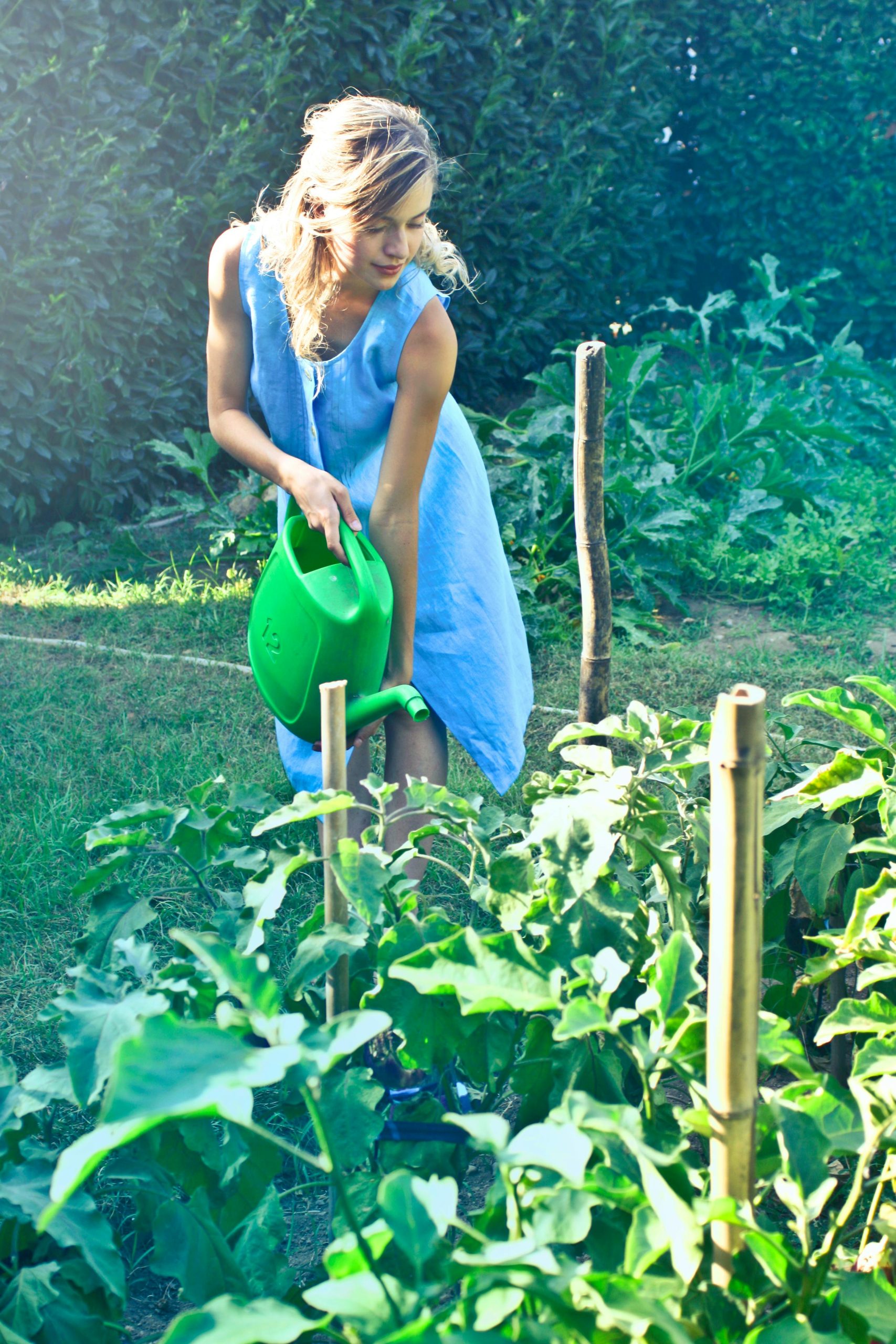
A great tip that can aid improve your natural gardening is to start reusing rainwater. If you’ve never thought about recycling rain before, you’re seriously missing out. All you have to do is put a few barrels under your roof covering to accumulate any type of additional rain that will certainly run off.
Controlling Heavy Aphid Infestations with Diluted Soap Solutions
When dealing with an aphid invasion, even those that are really heavy, you can dilute soap with water and spray your plants. Not only is this technique safe for humans, plants, and also those annoying pests, it keeps them off your plants where damage can be made, ruining the charm of your natural garden.
Keeping a Garden Journal to Track and Improve Your Organic Garden Success
Monitor the growth of your all-natural garden by maintaining a gardening journal. Tape essential information such as growing days, fertilizing timetables, parasite sightings, reliable repellents, harvest beginning dates, and the productivity of your yard. This information will certainly act as a valuable resource for future yard planning and add to your success as a garden enthusiast.
Understanding What Organic Gardening Really Means
There is commonly a misunderstanding concerning the concept of organic, leading some to think that adopting organic horticulture practices runs out their reach. In reality, organic horticulture is straightforward: it involves growing produce without useing artificial pesticides or preservatives, leading to a much more genuine and normally grown item.
Growing Tomato Seedlings in Recycled Cups for Easy Transplanting
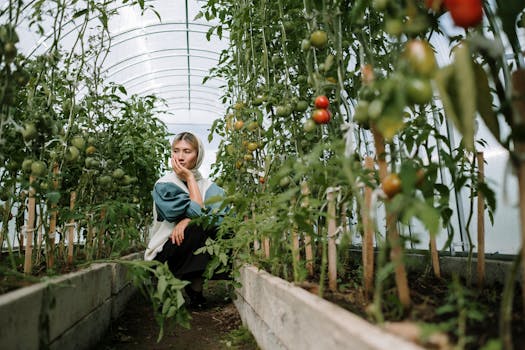
Recycle your beverage mugs to begin tomatoes for your organic yard. Expand tje tomato plants from seed in the cups. When the seed startings prepare to transplant, cut the bottom inch off thge mug and placed it right in the ground as is. This will certainly help to avoid cutworms from getting at your newly hair transplanted tomatoes.
Using Ladybugs as Natural Predators for Organic Pest Control
Take into consideration adopting a natural technique to yard insect control by using ladybugs as an alternative to chemical pesticides. Ladybugs can be acquired wholesale from gardening stores at a budget-friendly price. By releasing them in your garden, these useful pests will feed upon typical pests like aphids, fallen leave hoppers, and mites, successfully securing your plants from damages brought on by these undesirable pests.
Save Money by Growing Your Own Organic Produce at Home
You have learned a great deal of tips for organic horticulture. Utilizing these suggestions will save you a lot of money at the supermarket. The rate for organic produce is extremely high, and there is no demand to spend so much cash, when you can grow it yourself for a minimal expense.
Frequently Asked Questions About Organic Home Gardening
What is the best way to start an organic garden for beginners?
The best way to start an organic garden is to begin with easy-to-grow vegetables like tomatoes, lettuce, and herbs while preparing your soil with organic compost. Focus on learning natural pest control methods and avoid all synthetic pesticides and fertilizers from the start. Starting small allows you to build your skills before expanding your garden.
How do I control pests in my organic garden without using chemicals?
You can control pests organically by using physical removal, barriers, traps, and beneficial insects like ladybugs that prey on common garden pests. Diluted soap and water sprays are effective against aphids and other soft-bodied insects. Maintaining healthy soil and diverse plantings also naturally reduces pest problems.
Is collecting rainwater for garden irrigation legal and effective?
Rainwater collection is legal in most areas and is highly effective for garden irrigation, though you should check local regulations in your region. Rainwater is naturally soft and free of chlorine, making it ideal for plants. Simple barrel systems placed under roof gutters can collect hundreds of gallons during a single rainstorm.
How much money can I save by growing my own organic produce?
Growing your own organic produce can save hundreds of dollars annually, as store-bought organic vegetables often cost 20-100% more than conventional produce. A well-maintained home garden can yield several hundred pounds of produce per season from a relatively small space. The initial investment in seeds, soil amendments, and basic tools is typically recovered within the first growing season.
Why should I keep a gardening journal for my organic garden?
A gardening journal helps you track planting dates, pest occurrences, successful treatments, and harvest yields so you can improve your results each season. Recording this information allows you to identify patterns and make better decisions about timing and plant placement. Over time, your journal becomes an invaluable personalized reference guide for your specific growing conditions.
What are the main benefits of using ladybugs for pest control?
Ladybugs are voracious predators that can consume up to 50 aphids per day, providing natural and chemical-free pest control. They are safe for humans, pets, and plants while effectively targeting harmful insects like aphids, mites, and leaf hoppers. Purchasing ladybugs in bulk from garden stores is an affordable and environmentally friendly alternative to chemical pesticides.
How do I transplant tomato seedlings to prevent cutworm damage?
When transplanting tomato seedlings grown in recycled cups, cut the bottom inch off the cup and plant it directly in the ground with the seedling still inside. The cup material acts as a protective collar around the stem, preventing cutworms from reaching and damaging the tender transplant. This simple technique significantly increases transplant survival rates in organic gardens.
📅 Last updated: