Last Updated: June 4, 2026
This comprehensive guide to indoor vegetable gardening is designed for eco-conscious families who want to grow fresh produce at home, regardless of their living space size or gardening experience. Whether you’re a complete beginner looking to start your first container garden or a parent seeking engaging, screen-free activities for your children, you’ll discover practical tips for selecting the right vegetables, optimizing small spaces, and creating a sustainable food source that brings your family together.
Imagine turning your home into a mini oasis where you grow fresh, pesticide-free vegetables while spending quality time with your family. Indoor vegetable gardening is the perfect blend of fun, sustainability, and practicality for eco-conscious families. Whether you’re in a small apartment or a house with minimal outdoor space, this guide will show you how to cultivate a rewarding hobby that benefits your health, wallet, and the environment. Let’s dive into these indoor vegetable gardening tips to create an experience your family will treasure!
Why Indoor Vegetable Gardening Strengthens Family Bonds and Promotes Green Living
Indoor gardening is more than just growing plants; it’s about growing connections. For families, it offers an opportunity to bond, teach kids about sustainability, and instill lifelong healthy habits. Imagine the joy on your child’s face as they watch their first lettuce sprout or the sense of accomplishment as they pluck their own homegrown cherry tomatoes.
Why It’s Beneficial for Families:
- Healthier Diets: Growing vegetables indoors means you’ll always have fresh produce at your fingertips, encouraging healthier meal choices.
- Eco-Friendly Living: Teaching children to grow their own food fosters awareness about reducing waste and avoiding pesticides.
- Screen-Free Bonding: Gardening is an excellent way to unplug and engage in meaningful family activities that are both educational and rewarding.
Families with limited space can start small, perhaps with herbs or leafy greens, before expanding their indoor gardens. The key is making it fun and accessible for everyone, regardless of age or gardening experience.
According to the National Gardening Association, households that grow their own food can save an average of $600 per year on groceries, while research published in the Journal of Health Psychology confirms that gardening activities significantly reduce cortisol levels and improve overall mental well-being in both adults and children.
Essential Indoor Vegetable Gardening Tips for Small Spaces and Big Dreams
Even if you live in a compact apartment, indoor vegetable gardening is entirely feasible with the right planning and tools. Here’s how you can transform your small space into a productive indoor garden:
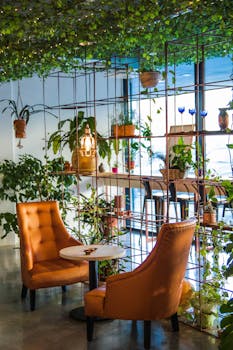
- Maximize Vertical Space: Use wall-mounted shelves or tiered racks for pots. Vertical gardens not only save space but also add a beautiful aesthetic to your home.
- Choose the Right Containers: Opt for pots with drainage holes and sufficient depth for root growth. Self-watering containers are a fantastic option for busy families.
- Focus on Light: If you don’t have access to natural sunlight, invest in LED grow lights to ensure your plants thrive. These lights are energy-efficient and tailored for indoor gardening.
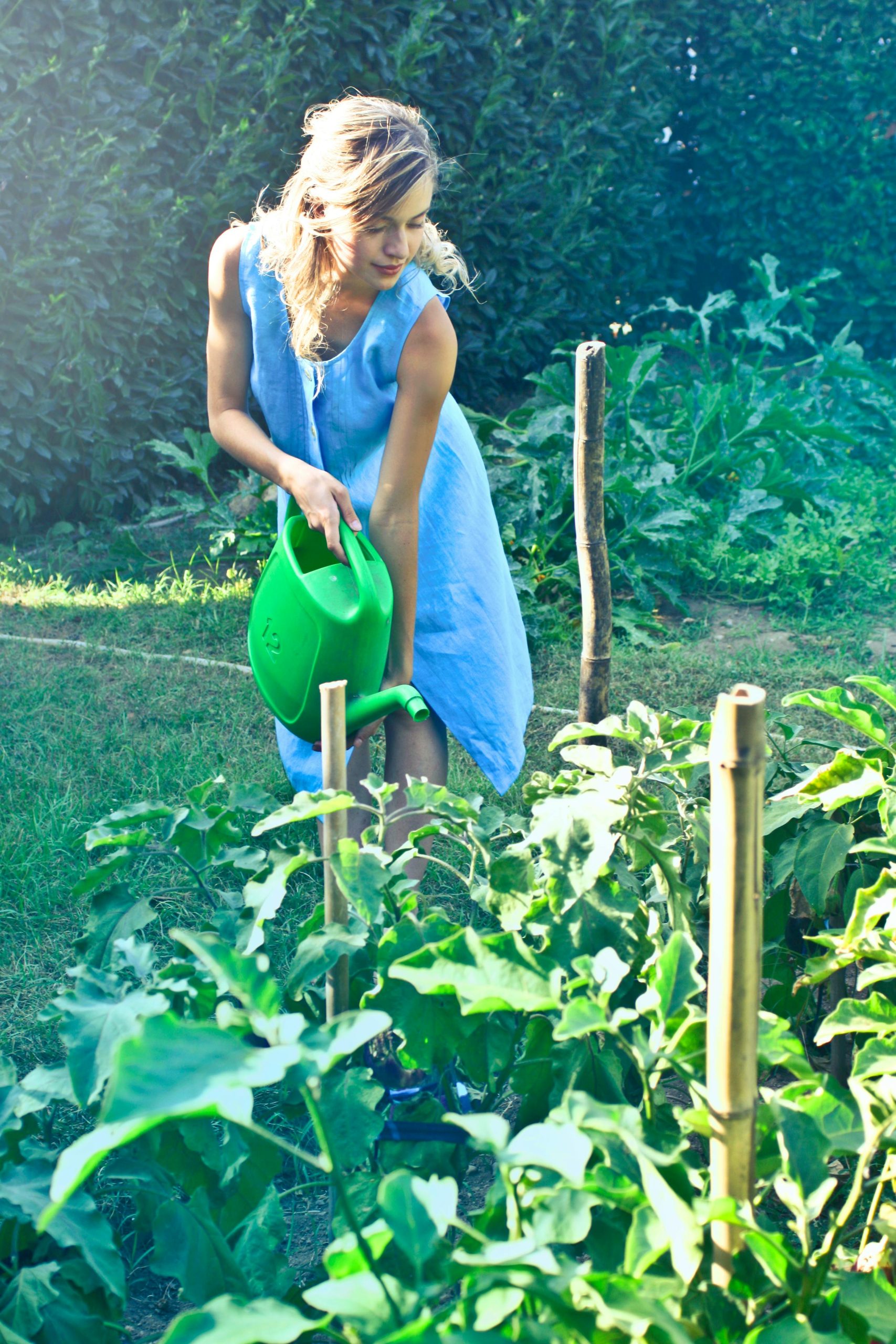
- Optimize Watering: Avoid overwatering by checking soil moisture regularly. Many plants require minimal watering, making them perfect for beginners.
Starting with these indoor gardening beginners guide tips will help you create a thriving space no matter how small your home is. Dream big, start small, and watch your garden—and your family’s excitement—grow!
Best Vegetables for Indoor Pots: Top Container Gardening Choices for Eco-Friendly Families
Selecting the right vegetables is crucial for your indoor gardening success. Some vegetables are better suited to container gardening than others, and as a bonus, many require minimal maintenance.
Top Picks for Indoor Pots:
- Lettuce: A versatile, fast-growing vegetable that thrives in shallow containers.
- Spinach: Rich in nutrients and easy to grow in small pots.
- Cherry Tomatoes: A family favorite that adds color and flavor to salads.
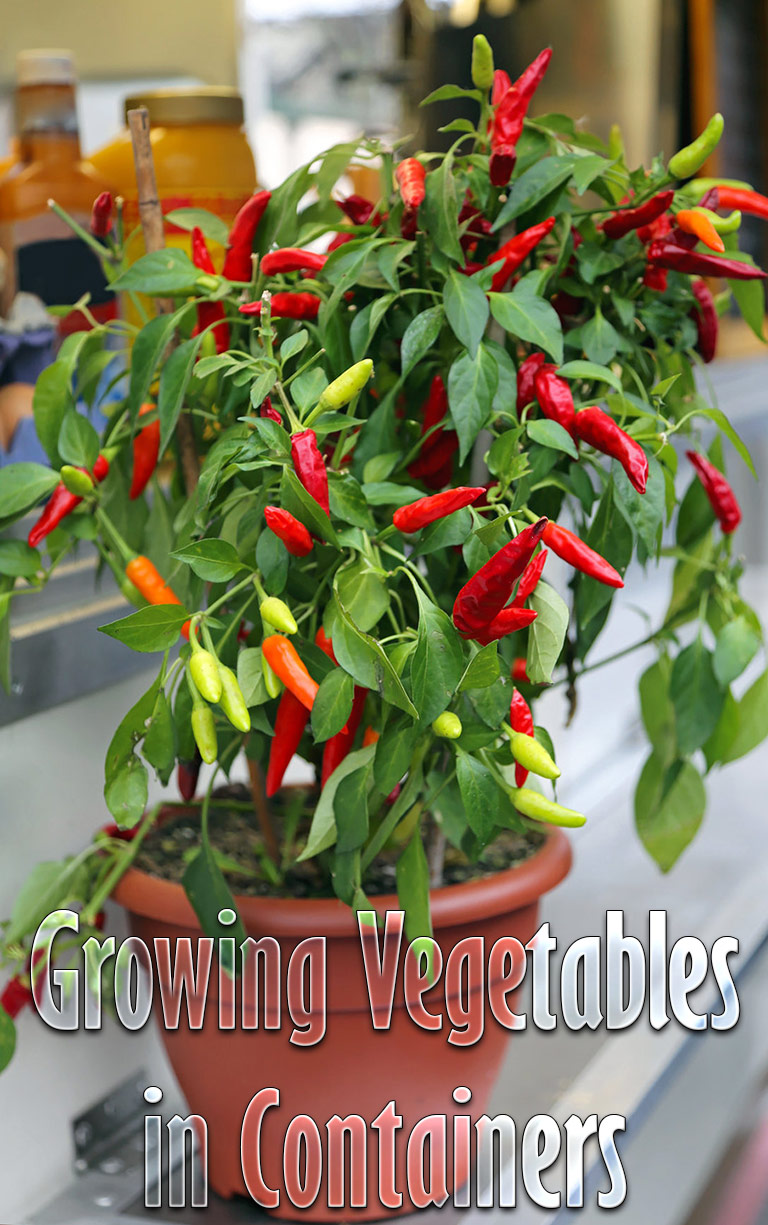
- Peppers: Bell or chili peppers are excellent choices for their compact size and vibrant colors.
Each of these vegetables is ideal for eco-conscious families because they grow well in controlled environments and don’t require extensive care. By choosing the best vegetables for indoor pots, you ensure success while creating a sustainable food source for your family.
How to Grow Lettuce Indoors and Other Simple Gardening Projects Kids Will Love
Gardening can be a fun and educational activity for kids, and growing lettuce indoors is a fantastic starting point. Lettuce grows quickly, making it exciting for children to watch its progress. Plus, it requires little more than a sunny windowsill and a shallow container.
Steps to Grow Lettuce Indoors:
- Select a loose-leaf lettuce variety for quicker results.
- Use a shallow pot with well-draining soil.
- Place it in a location with bright, indirect sunlight or under a grow light.
- Water lightly every few days and watch the magic happen!
Other fun projects for kids include planting radishes, green onions, and herbs like basil. These simple activities teach responsibility, patience, and the value of fresh food. Plus, having your kids help in the garden ensures they’ll be more enthusiastic about eating their veggies!
The Easiest Veggies to Grow Inside for a Sustainable and Delicious Home Year-Round
If you’re just getting started, it’s important to focus on the easiest veggies to grow inside. These plants are hardy, fast-growing, and require minimal attention, making them perfect for families with busy schedules.
Beginner-Friendly Veggies:
- Radishes: Quick to mature and perfect for small containers.
- Kale: A nutrient powerhouse that grows well indoors year-round.
- Green Onions: You can regrow them endlessly from store-bought roots.
- Microgreens: A fun and fast-growing option for adding a nutritional boost to meals.
With these easy-to-grow options, your indoor garden will be flourishing in no time. Plus, these veggies align perfectly with a sustainable lifestyle by reducing waste and encouraging farm-to-table eating.
Conclusion: Start Your Indoor Vegetable Garden Today
Indoor vegetable gardening is more than a hobby; it’s a lifestyle choice that promotes health, sustainability, and family bonding. By following these indoor vegetable gardening tips, choosing the best vegetables for indoor pots, and starting with simple projects like learning how to grow lettuce indoors, you can transform your home into a thriving green space. It’s an activity that kids will love, parents will appreciate, and the environment will thank you for.
So, roll up your sleeves, gather your family, and embark on this exciting journey toward growing your own food. With these indoor gardening beginners guide ideas and the easiest veggies to grow inside, you’re well on your way to creating a sustainable and delicious future for your home!
What vegetables grow best indoors without natural sunlight?
Leafy greens like lettuce, spinach, and kale are excellent choices for growing indoors without natural sunlight when paired with LED grow lights. Microgreens and herbs such as basil and mint also thrive under artificial lighting conditions. For best results, position grow lights 6-12 inches above your plants and provide 12-16 hours of light daily to simulate optimal growing conditions.
How much space do I need to start an indoor vegetable garden?
You can start an indoor vegetable garden with as little as a sunny windowsill or a small corner of your kitchen counter. Vertical gardening solutions like tiered shelves or wall-mounted planters allow you to grow multiple plants in just a few square feet of floor space. Even a single self-watering container can produce fresh herbs and leafy greens for your family throughout the year.
What is the fastest vegetable to grow indoors for beginners?
Microgreens are the fastest vegetables to grow indoors, typically ready for harvest in just 7-14 days after planting. Radishes mature in about 25-30 days, while loose-leaf lettuce varieties can be harvested in 30-45 days. These quick-growing options provide near-instant gratification for beginner gardeners and keep children engaged in the growing process.
How often should I water my indoor vegetable plants?
Most indoor vegetables require watering when the top inch of soil feels dry to the touch, typically every 2-4 days depending on humidity levels and container size. Overwatering is the most common mistake beginners make, so it’s better to underwater slightly than to saturate the soil. Self-watering containers can simplify this process by providing consistent moisture levels automatically.
Can I grow tomatoes indoors year-round?
Yes, you can successfully grow cherry and dwarf tomato varieties indoors year-round with adequate lighting and proper care. These compact plants need 8-10 hours of direct light daily, so supplemental grow lights are essential during winter months. Indoor tomatoes also require hand pollination since there are no natural pollinators inside—simply shake the plants gently or use a small brush to transfer pollen between flowers.
What supplies do I need to start indoor vegetable gardening?
Essential supplies for indoor vegetable gardening include containers with drainage holes, quality potting mix formulated for vegetables, and a watering can or spray bottle. If your home lacks sufficient natural light, invest in full-spectrum LED grow lights designed for edible plants. Optional but helpful items include a moisture meter, liquid fertilizer for container plants, and seedling trays if you plan to start plants from seed.
Is indoor vegetable gardening cost-effective for families?
Indoor vegetable gardening can be highly cost-effective, with many families recouping their initial investment within the first growing season through savings on fresh produce. Growing herbs alone can save families $50-100 annually compared to purchasing fresh herbs at grocery stores. Beyond financial savings, the educational value for children and the health benefits of pesticide-free, nutrient-dense produce make indoor gardening an excellent long-term investment for eco-conscious families.
📅 Last updated: